

Seal Rodents Out at the Entry Point
We find how mice and rats are getting in, seal those gaps with matched materials, and back the work for three years.
If you’re in Worcester, Sterling, or Shrewsbury and you’re finding droppings, hearing scratching in the walls, or seeing gnaw marks, trapping the ones inside won’t solve it. New mice and rats keep using the same gaps. We inspect the whole structure inside and out, map every entry point, and seal each one with the material that fits it so the problem stops instead of repeating.
Quick request. We’ll confirm what’s going on and give you clear options.
Rodent control fails when the entry points stay open. Traps and bait can knock down the activity inside, but they don’t stop new mice and rats from using the same gaps next week, so the problem comes back and the bills keep coming. We work the structure first: find the openings, seal each one with the material that fits it, then clear out what’s already inside. The goal isn’t another temporary knockdown. It’s a warranty-backed repair to the way rodents are getting into your home, so you pay to solve it once instead of managing it every season.
Foundations Gaps
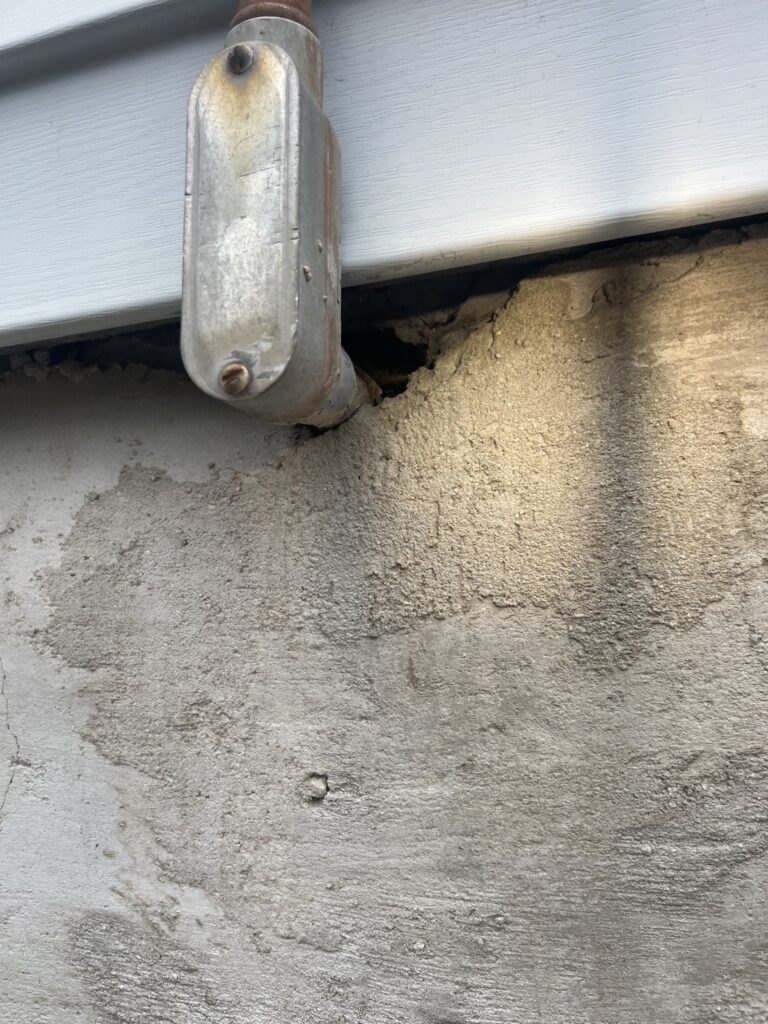
Rodents follow gaps along the foundation line. Settling cracks and crumbling mortar joints in older Worcester County homes, especially fieldstone, give mice and rats both an entry point and a place to travel unseen.
Utility Penetrations
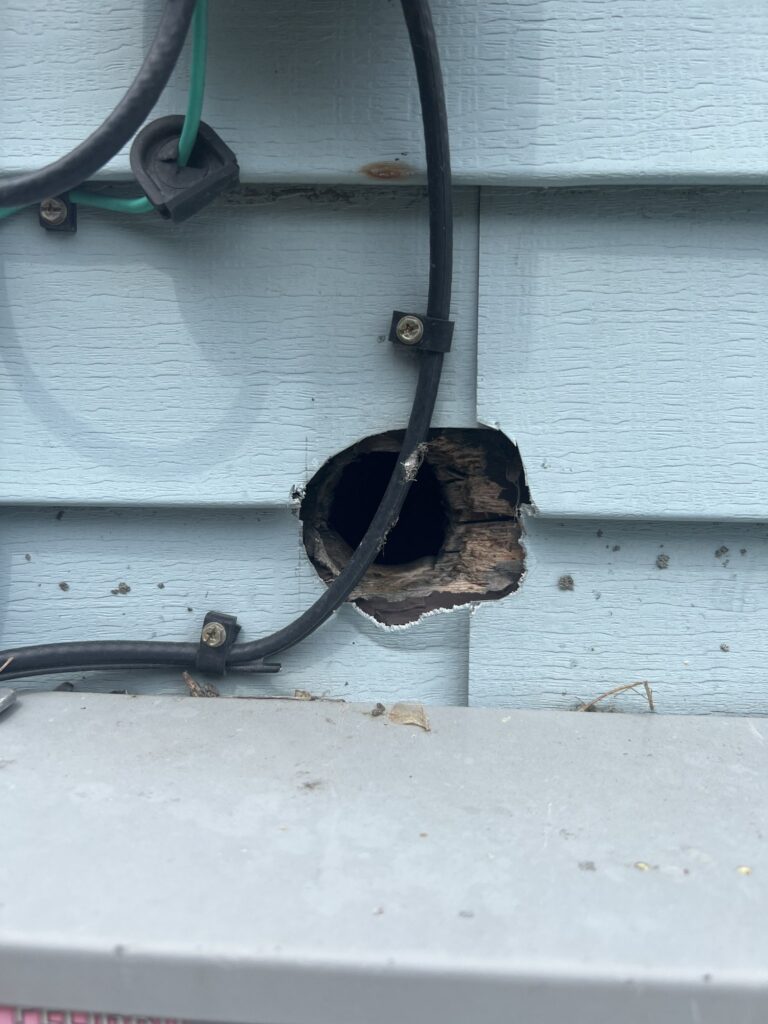
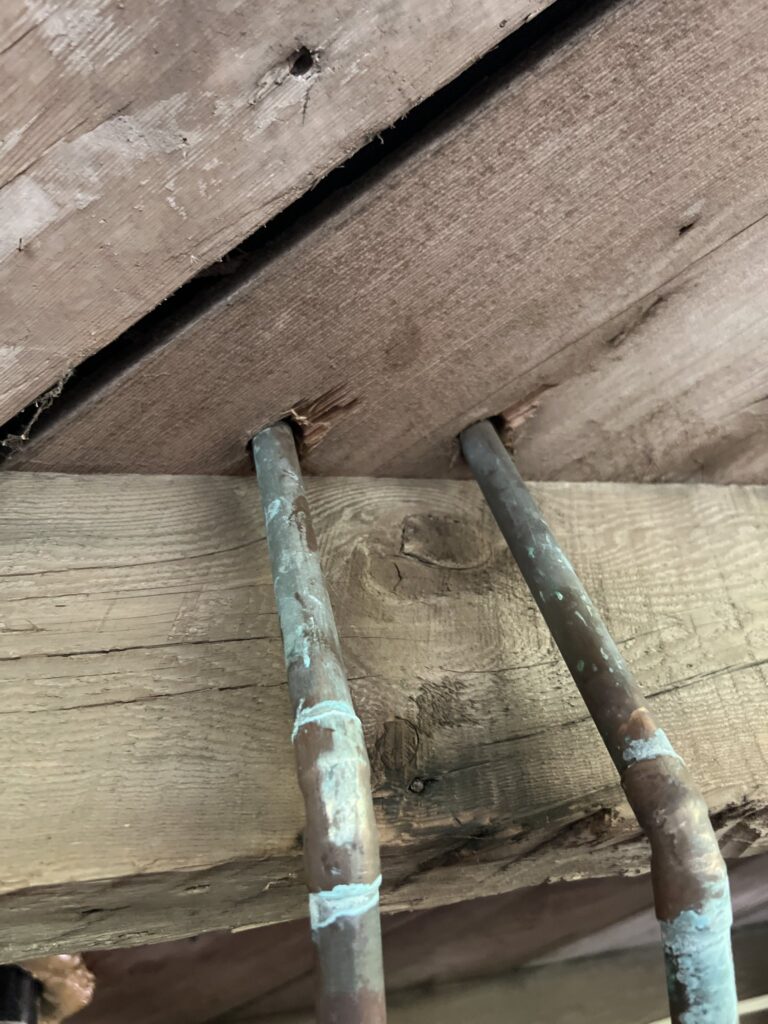
Anywhere a pipe, cable, dryer vent, or AC line enters the home leaves a gap. These hidden penetrations are the routes rodents use to get straight into your walls. Tag: Seal the hidden entry routes
Roofline, Soffits & Vents
Rodents don’t only enter low. Gaps at the soffit, fascia, roofline, and unscreened attic or gable vents let mice and roof-climbing rodents in from above.
Rodent control fails when the entry points stay open. Traps and bait can knock down the activity inside, but they don’t stop new mice and rats from using the same gaps next week, so the problem comes back and the bills keep coming. We work the structure first: find the openings, seal each one with the material that fits it, then clear out what’s already inside. The goal isn’t another temporary knockdown. It’s a warranty-backed repair to the way rodents are getting into your home, so you pay to solve it once instead of managing it every season.
1. Full Inspection, Inside and Out
Settling gaps and mortar joints can open up tiny entry points.
2. You Approve the Plan
Settling gaps and mortar joints can open up tiny entry points.
3. We Seal Each Gap the Right Way
Settling gaps and mortar joints can open up tiny entry points.
4. We Clear the Inside
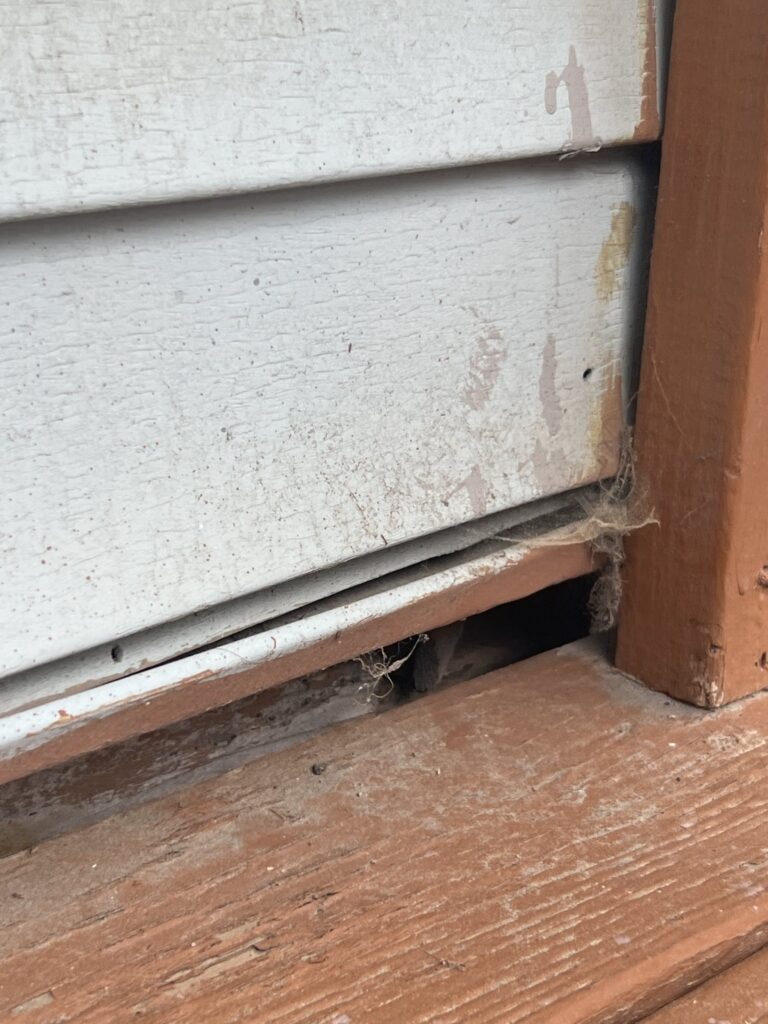
Mice can climb and squeeze into gaps around vents, soffits, and trim.
Local Photos of Entry Ways
We find the entry points rodent use to get into your home and take action to block them.
Quick Gut Check
What are you noticing right now?
Small rice-sized droppings in cabinets, drawers, or along baseboards Scratching or scurrying in walls or ceilings after dark Gnaw marks on food packaging or baseboards.
What this usually means: You likely have house mice. They nest in wall voids, attics, and basements and travel the same routes nightly. Mice need only a dime-sized gap, so exclusion focuses on sealing the small openings first, then clearing the ones already inside.
Larger capsule-shaped droppings
Burrows or holes in soil near the foundation, deck, or shed
Heavier gnawing, grease marks along walls, or activity at ground level
What this usually means: You likely have Norway rats. They enter low, through foundation gaps, damaged vents, and drain lines, and often burrow outside. Exclusion focuses on ground-level openings and waste and moisture conditions, then interior removal.
High-Priority Fire Risk
Chewed wire insulation (Knob & Tube or Romex) can cause shorts and fires. Turn off power to that area if you can do so safely, and request an inspection right away.
Pick the approach that fits your home and budget.
Most homeowners start with a full inspection, then seal what we find.
We strive to have exclusion work done after an inspection on the same day!
Full Inspection – $200
We inspect the whole structure, map every entry point, and seal each gap with the material that fits it. Then we can clear out what’s already inside.
Full interior and exterior inspection with photos of entry ways.
Rodent Exclusion Sealing + Removal
We find how they got in and seal the house so they can’t come back.
Full interior and exterior inspection with photos of entry ways.
Matched-material sealing: mortar or hydraulic cement for masonry, copper mesh and weather-resistant fabric for gaps, wood-to-wood for chewed framing.
Many interior rodent removal options available for you if you need this.
3-year warranty on all sealed entry points
Pricing detail: The $200 inspection is separate. Sealing then starts at a $225 minimum that covers the first hour, then $150/hour, plus materials. Most exclusion projects come in under $1,000. You get the full quote before any sealing starts, so there are no surprises. If we quote 3hrs and it takes 5 that’s on us not you!
Testimonials
Real Central Mass SituationsSee what your neighbors are saying about us
FAQ
Quick answers to the most popular questions.How is exclusion different from regular rodent control?
Regular control removes the rodents inside. Exclusion seals the gaps they used to get in, so new ones can’t follow. We do both: seal the building, then clear the inside.
Can you seal the entry points if another company is treating the rodents?
Yes. Exclusion is our specialty, and we’re glad to do the sealing on its own, even if another company is handling the trapping or treatment. A lot of pest companies don’t do structural sealing, so we often come in just to close the entry points and make the treatment you’re already paying for actually hold. You don’t have to switch anyone to have us seal the house.
What materials do you use, and will the repair be visible?
We match the material to the spot: mortar or hydraulic cement for masonry, copper mesh and weather-resistant fabric for open gaps, and wood-to-wood repairs for chewed or rotted framing. Copper mesh resists rust and is far harder for rodents to chew through than foam or light screening. We don’t just spray foam in a hole and call it done, because rodents chew straight through foam. We match colors and materials as close as we can so the repair blends into the house.
What does the 3-year warranty cover?
It covers the entry points we sealed. Covered: any gap we sealed, material failure at a sealed point, and rodent re-entry through our completed work. If that happens within three years, we come back and re-seal it at no charge. Not covered: new gaps from construction, storm damage, rot, or structural movement; doors, garage doors, or vents left open; and areas you chose not to seal.
Do you use poison inside my home?
Not by default. We start with exclusion, trapping, and monitoring, because the goal is to stop entry and remove what’s inside. When baiting is the right call, it’s placed only by a licensed technician in label-compliant, secured stations, and only with your approval, chosen around your pets, kids, and layout.
What is RodentRX?
RodentRX is our proprietary analytics built on pest monitoring device activity. We are able to tell you how big your pest problem is and how the treatment is working everyday. You get an automated email with a full summary of trends and activity for your property. For annual service we monitor and visit when its needed to you don’t overpay for service and we know your property is pest free.