

Mice back in the cabinets every fall, no matter how many you trap? You’re not alone, and it isn’t your housekeeping. House mice (Mus musculus) and Norway rats (Rattus norvegicus) push into Worcester County homes every September through November.
A mouse needs an opening only about 1/4 inch wide. Replacing soiled insulation alone can run $1,500 to $3,000. Our rodent exclusion service in Worcester County seals those openings, so new rodents can’t replace the ones removed.
Across Central Mass, more homeowners now call us asking for exclusion by name. We plan every option around kids, pets, and private wells.
Request a free home inspection and see exactly where your home is open.
| Rodent Exclusion at a Glance | What You Should Know |
|---|---|
| Which rodents | House mice (about 80% of our rodent calls) and Norway rats (about 20%) |
| Smallest opening | Mice: about 1/4 inch. Rats: about 1/2 inch |
| Peak entry season | September through November, as nights get cold |
| Most common first sign | Droppings (30% of calls), then scratching at night (25%) |
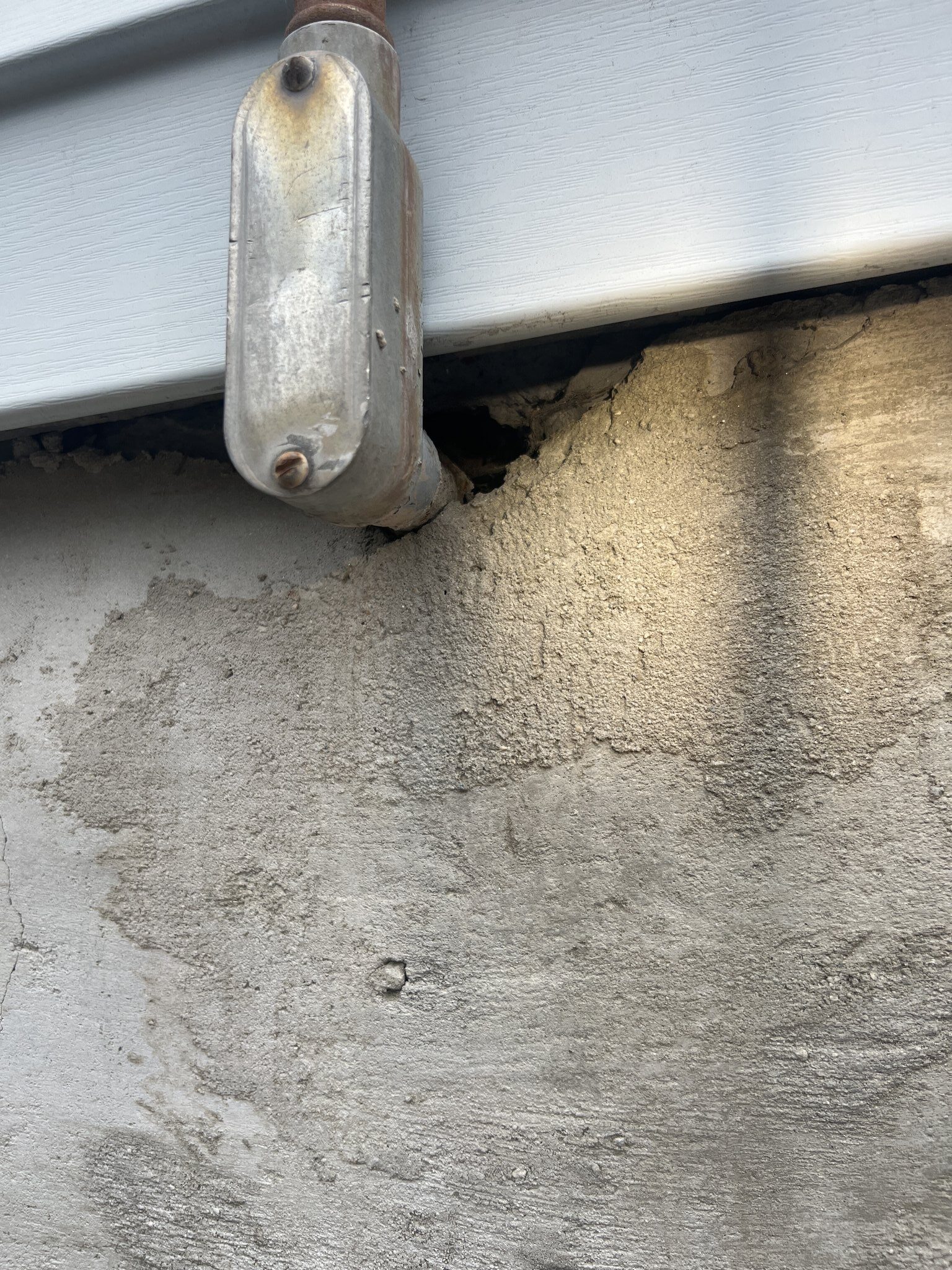
| Openings we find most | Foundation holes, unsealed bulkheads, utility holes, broken or worn parts of the house |
| Materials | Matched to each part of the house: copper mesh, mortar, hydraulic cement, hardware cloth, vent guards, door sweeps, weatherstripping, wood or PVC board, sealants |
| Warranty | 3 years on every gap we seal. Re-entry through our work gets re-sealed at no charge |
What Is Rodent Exclusion?
Rodent exclusion means finding every opening mice and rats can use and sealing it with materials they can’t chew through. Trapping removes the rodents already inside. Exclusion stops the next ones from walking in behind them.
You may also hear it called mouse exclusion or mouse proofing. It works best alongside trapping. Here’s how they differ:
- Trapping and bait stations: Remove the current population. Needed when rodents are already inside.
- Exclusion: Seals the openings. Keeps new rodents from replacing the ones you removed.
- Monitoring: Tracks activity after sealing. Shows whether the openings stayed closed.
If you only trap, you are managing a revolving door. That’s the most common reason we hear “they keep coming back.”
Do You Need Rodent Exclusion? Quick Self-Assessment
Repeat activity is the clearest sign your home has open entry points. Check for these signs first. Then use the tables to judge urgency and tell mice from rats.
You’ll Hear:
- Scratching in the same wall between 11 PM and 3 AM
- Gnawing sounds as a rodent works on an opening
- Rustling in the attic as nesting material gets moved
You’ll See:
- Rice-sized droppings with pointed ends in cabinets and under the sink
- Dark, greasy rub marks around holes and along pipes
- Shredded insulation, paper, or fabric
You’ll Smell:
- Ammonia-like odor in a closed basement or attic
- A sweet, rotting smell from a wall, 3 to 5 days after a rodent dies
| What You’re Experiencing | What It Means | Timeline | Action Needed |
|---|---|---|---|
| One mouse seen, no other signs | Scout or accidental entry | Recent | Watch for 48 hours |
| Scratching in the same spot every night | Established runway and opening | 1 to 2 weeks | Schedule inspection |
| Droppings return after trapping | Open entry points; new rodents replacing old | Weeks to months | Exclusion needed |
| Activity returns every fall | Outside pressure plus an unsealed home | Every year | Exclusion needed |
| Ammonia smell or droppings in 3+ rooms | Nesting inside walls or attic | Established | Call today |
Not sure whether you have mice or rats? The opening size usually tells you. For a deeper comparison, see our guide to rat signs versus mouse signs.
- About 1/4 inch (width of a pencil): House mice. Look near utility lines, siding gaps, and garage door corners
- About 1/2 inch and up: Rats or mice. Look at bulkhead edges and foundation holes for gnaw marks with parallel grooves
- 2 to 3 inches, in the ground: Norway rats. Look along the foundation near compost, trash, or chicken coops for greasy edges and bean-sized droppings
Why Do Worcester County Homes Have So Much Rodent Pressure?
The land around your home decides how hard rodents push. Worcester County has a lot of the land they like best.
- Wachusett Reservoir watershed: Protected DCR land around Sterling, West Boylston, Boylston, Clinton, and Princeton holds rodent populations nobody treats.
- Oak-hickory forests: Acorn crops in Sterling, Princeton, and the Wachusett Street hills in Holden swing widely by year. Heavy nut years fuel booms in white-footed mice (Peromyscus leucopus).
- Rivers and lakes: Norway rats burrow into banks along the Nashua River in Clinton, Lancaster, and Leominster. Riverfront homes on Neck Road and Langen Road in Lancaster sit along that corridor. Lake Quinsigamond shapes the shoreline in Worcester and Shrewsbury.
- Farms and orchards: Feed, grain, and outbuildings in Lancaster, Harvard, and Bolton keep numbers high.
- Backyard chickens and bird feeders: Feed and spilled seed draw mice and rats to any yard, in any town.
If your home sits near any of these, the pressure never really drops. That’s why trapping alone fails so often here. New rodents simply move into the same openings.
Your home’s age also shapes where those openings are. This table reflects the homes we actually work on:
| Housing Era/Type | % of Customers | Common Entry Locations | Why It Fails | What You’ll Find |
|---|---|---|---|---|
| 2000s+ Construction | 40% | Utility holes for HVAC, cable, and plumbing; garage door seals; dryer vents; sill gaps behind vinyl | Builders leave gaps around utilities. Garage seals wear out in 5 to 7 years | Disturbed attic insulation; droppings near HVAC lines |
| 1980s-1990s Colonials/Garrisons | 30% | Addition seams, deck boards against the house, siding trim channels, bath vents, gaps around the chimney | Additions create junction points. Original caulking fails after 30-plus years | Nesting at addition seams; activity in the garage ceiling |
| 1950s-1970s Ranches/Capes/Split-Levels | 20% | Sill gaps, bulkhead doors, window AC units, low dryer vents, crawlspace vents | Wood shrinks over decades. Weatherstripping is gone | Tunnels through fiberglass insulation; droppings in crawlspaces |
| Multi-Family/Triple-Deckers | 10% | Shared pipe and wiring channels, porch-to-wall joints, basement ceiling holes, door gaps | Rodents travel up through plumbing and electrical runs. Escaped pet rodents can also breed in walls | Activity in several units at once |
Post-war homes fall in the 1950s-1970s group. Examples include Union Street and Berlin Street in Clinton and Sterling’s Chocksett area. Worcester’s Tatnuck, Greendale, and Burncoat neighborhoods fit here too.
Multi-family neighborhoods like Leominster’s French Hill fall in the last group.
How Are Mice and Rats Getting Into My House?
These are the openings we find most often on Worcester County inspections. Most homes have several, spread across more than one level of the house.
At Ground Level
1. Holes and gaps in the foundation
- Size: 1/4 inch and up, often much larger
- Where to look: At ground level all the way around, behind shrubs and mulch, and under low decks
- What we do: Seal masonry gaps with mortar or hydraulic cement, and odd-shaped gaps with copper mesh and filler
2. Unsealed bulkheads
- Size: Gaps where the bulkhead frame meets the foundation, plus door edges
- Where to look: All four sides of the frame, and the bottom edge of the doors
- What we do: Weatherstrip the doors and seal gaps around the frame
3. Sill gaps
- Size: 1/4 inch or wider
- What it is: The sill is the wooden board that sits on top of your foundation. It shrinks as it ages
- Where to look: Where the wood frame meets the concrete, behind siding
On the Walls
4. Utility holes
- Size: Usually 1/2 inch or more around each line
- Where to look: AC lines, cable, gas and water lines, electrical service, dryer vents
- Why it happens: Installers cut oversized holes and rarely seal them fully
- Dryer vents: Get a dryer-rated guard, never a screen. Screens trap lint and create a fire risk
5. Broken or worn parts of the house
- Size: Varies, often the biggest openings on the house
- Where to look: Door bottoms, damaged vent covers, missing trim, loose siding corners
- What we do: Add door sweeps and vent guards, or cut custom wood or PVC board to close the opening. Chewed or rotted framing gets a wood-to-wood repair
At the Roofline
6. Roofline openings
- Size: 1/2 inch at soffit seams and vents
- What it is: The soffit is the underside of your roof overhang. Mice climb siding to reach it
- Where to look: Soffit corners, gable vents high on the end walls, gaps around the chimney, bath fan vents
- What we do: Cover vents with guards or hardware cloth so air still moves but rodents can’t
Most homeowners check the ground and stop there. Mice climb well, so an open soffit can matter as much as an open foundation.
Why Isn’t My DIY Sealing Working?
You’ve probably already tried mouse proofing the house yourself. That effort wasn’t wasted, but each method has a weak spot.
1. Spray foam alone
- What happened: Mice chew through it, sometimes the same night
- What works: Copper mesh packed in first, with filler over it
2. Steel wool
- What happened: It rusts in damp spots, then gets pulled out
- What works: Copper mesh, which doesn’t rust
3. Sealing only the inside
- What happened: Rodents kept using the outside route and found a new way through
- What works: An outside-first inspection that checks every level of the house
4. Sealing with rodents still inside
- What happened: Trapped rodents chewed new holes, or died in the walls
- What works: Seal and trap together, then monitor to confirm activity stops
| Attempt | What You Buy | Cost | Time Spent | Result |
|---|---|---|---|---|
| #1: Hardware store | Expanding foam, snap traps | $50 to $100 | 10 to 15 hours | Foam chewed through within days |
| #2: More supplies | More traps, bait, caulk | $40 to $80 | 8 to 12 hours | Smell of a dead rodent in the wall |
| #3: “Pro grade” | Steel wool, online sealants | $30 to $60 | 6 to 10 hours | Scratching continues in the same wall |
| Total before calling | $120 to $240 | 24 to 37 hours | Openings still there |
Materials We May Use for Keeping Rodents Out
No single material works everywhere on a house. We match the material to the part of the building. Each seal has to fit how that spot moves, breathes, and gets used.
| Part of the House | Typical Opening | What We May Use | Why It Works There |
|---|---|---|---|
| Concrete, block, or stone foundation | Holes, open joints, old pipe openings | Mortar or hydraulic cement | Hydraulic cement sets hard even in damp spots. Rodents can’t chew through either |
| Odd-shaped gaps and utility holes | Gaps around lines and pipes | Copper mesh plus filler | Packs into any shape and doesn’t rust |
| Entry and side doors | Gap under the door | Door sweeps | Closes the gap while the door still opens normally |
| Bulkheads | Gaps at door edges and frame | Weatherstripping plus sealing at the frame | Closes gaps without blocking the doors |
| Dryer vents | Open or damaged vent flaps | Dryer-rated vent guard | Lint still exits freely. Never a screen, which traps lint and creates a fire risk |
| Gable, soffit, and crawlspace vents | Open or damaged vent covers | Vent guards or hardware cloth, a stiff metal wire mesh | Lets air through while keeping rodents out |
| Chewed or rotted framing | Wood rodents have opened up | Wood-to-wood repair | Restores solid wood instead of patching over damage |
| Damaged or missing trim and siding | Holes left by broken parts | Custom-cut wood or PVC board | Rebuilds the surface. PVC won’t rot in wet spots |
| Seams and small cracks | Joints between materials | Silicone sealant | Stays flexible and weatherproof. We back rodent gaps with mesh first |
We never use foam alone or steel wool as a rodent seal, for the reasons above.
We don’t just close openings. We repair the damage rodents leave behind. We match colors and materials as closely as we can, so repairs blend into the house.
What Happens During Professional Rodent Exclusion?
You’ll know what to expect at each step. Nothing gets done without your approval.
| Phase | Duration | What Happens | You Receive |
|---|---|---|---|
| 1. Inspection | Day 1, 1 to 2 hours | Full property inspection, entry point mapping from roof to ground, evidence documentation | Findings report with photos plus your options |
| 2. Planning | Day 1 to 2 | Plan built from the findings, with each opening listed | Written plan with pricing for each part |
| 3. Your approval | Flexible | We review the findings together and you choose the scope | Clear understanding of what’s included |
| 4. Treatment | Scheduled | Exclusion work if approved, plus trapping or bait stations for rodents already inside | Service documentation plus follow-up schedule |
| 5. Follow-up | Ongoing | Monitoring visits and adjustments as needed | Activity reports showing the trend |
We seal and remove at the same time. Sealing alone can trap rodents inside. Trapping alone leaves the door open.
Afterward, digital rodent monitoring tracks activity around your home. You see the numbers drop instead of hoping it’s quiet. We stand behind our work, and the data shows you what it did.
Is Rodent Exclusion Safe for My Family and My Home?
Exclusion is the lowest-material part of rodent control. That makes it a good fit for young kids, pets, private wells, and older homes.
For your family and pets:
- Exclusion materials are physical barriers, not treatments
- Sealing reduces how much bait or trapping your home needs over time
- Any stations we place are tamper-resistant, built to keep out kids and pets
For older homes and private wells:
- We match repairs to your home’s original materials
- Copper mesh weathers to blend with older exteriors
- Fewer products near homes on private wells, common in West Boylston and along the Wachusett fringe in Sterling
If you have young kids, pets, or a private well, tell us at the inspection. It changes which options we recommend.
Massachusetts Rules That Affect Rodent Work
Depending on where your home sits, one of these may apply. Exclusion is often the preferred approach near water because it adds no products to the ground.
| Regulation | When It Applies | What It Means for You |
|---|---|---|
| MA Wetlands Protection Act | Homes within 100 feet of wetlands or water, like Lake Quinsigamond, Indian Lake, or the Waushacum Ponds | Treatment options near water are more limited. Sealing adds no products |
| DCR Watershed Protection | Homes near Wachusett Reservoir in Sterling, West Boylston, Boylston, Clinton, and Princeton | Material choices matter. We use approved materials only |
| MDAR Pesticide Licensing | Anyone applying pesticides for hire in Massachusetts | Your provider should be licensed by MDAR. Ask to see it |
| MA State Sanitary Code (105 CMR 410) | Rental housing | Sets rodent-control duties for owners and tenants. Check the current code for your case |
What Affects the Cost of Rodent Exclusion?
Every Worcester County home is different. These factors explain why two homes on the same street get different quotes.
| Property Type | Cost Factors | Why It Matters |
|---|---|---|
| 2000s+ construction | Number of utility holes, garage seal condition | Each opening is sealed on its own |
| 1980s-1990s colonials | Addition seams, deck connections, roofline complexity | More joints means more linear feet to seal |
| 1950s-1970s ranches and capes | Sill length, crawlspace access, bulkhead condition | Tight crawlspaces take longer to work in |
| Homes with Norway rats | Size of openings, burrows along the foundation | Larger gaps need hardware cloth or hydraulic cement |
| Broken parts or chewed framing | Custom wood, PVC, or framing repair | Cutting and fitting a piece takes longer than sealing a gap |
| Homes near water, woods, or farms | Ongoing monitoring recommended | Outside pressure keeps testing every seal |
Compare that to the cost of doing nothing. Electrical repairs from rodent damage run $500 to $2,000.
See what’s included in our residential rodent exclusion service, from inspection to sealing to follow-up. Your free inspection includes a detailed quote for your home.
How Do I Keep Rodents Out After Sealing?
Sealing handles the structure. These habits remove the reasons rodents come to your home in the first place.
Fall (August through October):
- Check both garage door corners for daylight
- Move firewood 20 feet from the house and off the ground
- Bring pet food in overnight and store it in sealed bins
- Clean up spilled bird seed weekly, or take feeders down
Spring (March through May):
- Walk the foundation for new gaps after the freeze-thaw season
- Trim branches at least 6 feet back from the roofline
- Pull mulch back 6 inches from the foundation
- Look for new gnaw marks at the bulkhead and utility lines
Frequently Asked Questions
Why Rodents Keep Coming Back
Where are they getting in? I sealed everything and still see them. Usually somewhere you didn’t look. Mice climb, so soffits and roofline vents matter as much as the foundation. An inspection maps every level of the house, from roof to ground.
Do mice come back every winter no matter what you do? Not if the openings close. Mice follow scent trails left by earlier mice, so the same openings get used year after year. Trapping removes what’s inside. Exclusion keeps the next group from following them in.
Why are traps empty but the droppings keep appearing? Two common reasons. Rats avoid new objects and can take 3 to 5 days to approach a trap. Or new mice keep arriving through open gaps. Monitoring shows which one you’re facing.
Rodent Exclusion Costs and Results
Is rodent exclusion worth it? For recurring problems, usually yes. DIY attempts often cost $120 to $240 and 24 to 37 hours without holding. Rodent damage costs more: $1,500 to $3,000 for insulation and $500 to $2,000 for wiring.
How long does rodent exclusion last? It depends on the material and the spot. Hydraulic cement, copper mesh, and hardware cloth hold up for years. Door sweeps and weatherstripping wear with use. Homes also settle, so a yearly check catches new gaps early.
What if a mouse gets back in after sealing? It can happen. Some openings are very hard to find, like gaps on the roof or under a low deck. Monitoring flags new activity fast, and follow-up visits track down that last opening. Every gap we seal carries a 3-year warranty. Re-entry through our completed work gets re-sealed at no charge.
How much does it cost to mouse proof a house? It depends on your home’s openings, age, size, and access to areas like crawlspaces. Custom wood or PVC work takes longer than simple gaps. A free inspection gives you a detailed quote.
Can mice chew through spray foam? Yes, often within hours. Copper mesh packed in first, with filler over it, gives them nothing to chew through.
Health, Safety, and Your Home
Can mice chew through electrical wiring and start a fire? Yes, mice and rats gnaw wiring, and exposed wires are a fire risk. It’s one of the most serious reasons not to wait. Electrical repairs from rodent damage typically run $500 to $2,000.
How do I clean up mouse poop safely without getting Hantavirus? Don’t sweep or vacuum dry droppings. Open windows for 30 minutes and wear rubber gloves. Soak droppings with disinfectant or 1 part bleach to 10 parts water for 5 minutes. Wipe up with paper towels, bag them, and wash your hands.
Is rodent exclusion safe for my kids and pets? Exclusion materials are physical barriers, not treatments, so they add nothing to your living space. Any stations we use are tamper-resistant. Pet-friendly and child-safe options are available whenever treatment is also needed.
Will exclusion damage my older home? No. We match each material to the part of the house, like mortar on masonry and wood-to-wood repairs on chewed framing. We match colors as closely as we can so repairs blend in.
Close the Openings, Not Just the Season
Worcester County gives rodents every advantage: reservoir watershed, oak forests, rivers, and farmland. You can’t change the land around your home, but you can close the openings that let rodents inside. Trapping handles this season, and exclusion changes what happens next season.
We start with a free inspection from roof to ground. You get:
- Photos of every opening we find
- Your options in writing
- Pricing for each part, before any work starts
Schedule your free rodent exclusion inspection and find out exactly where your home is open.