

Fall Pest Invaders Service for Worcester County Homes
Mice and overwintering insects, handled in one visit
Insects burrow into your siding.
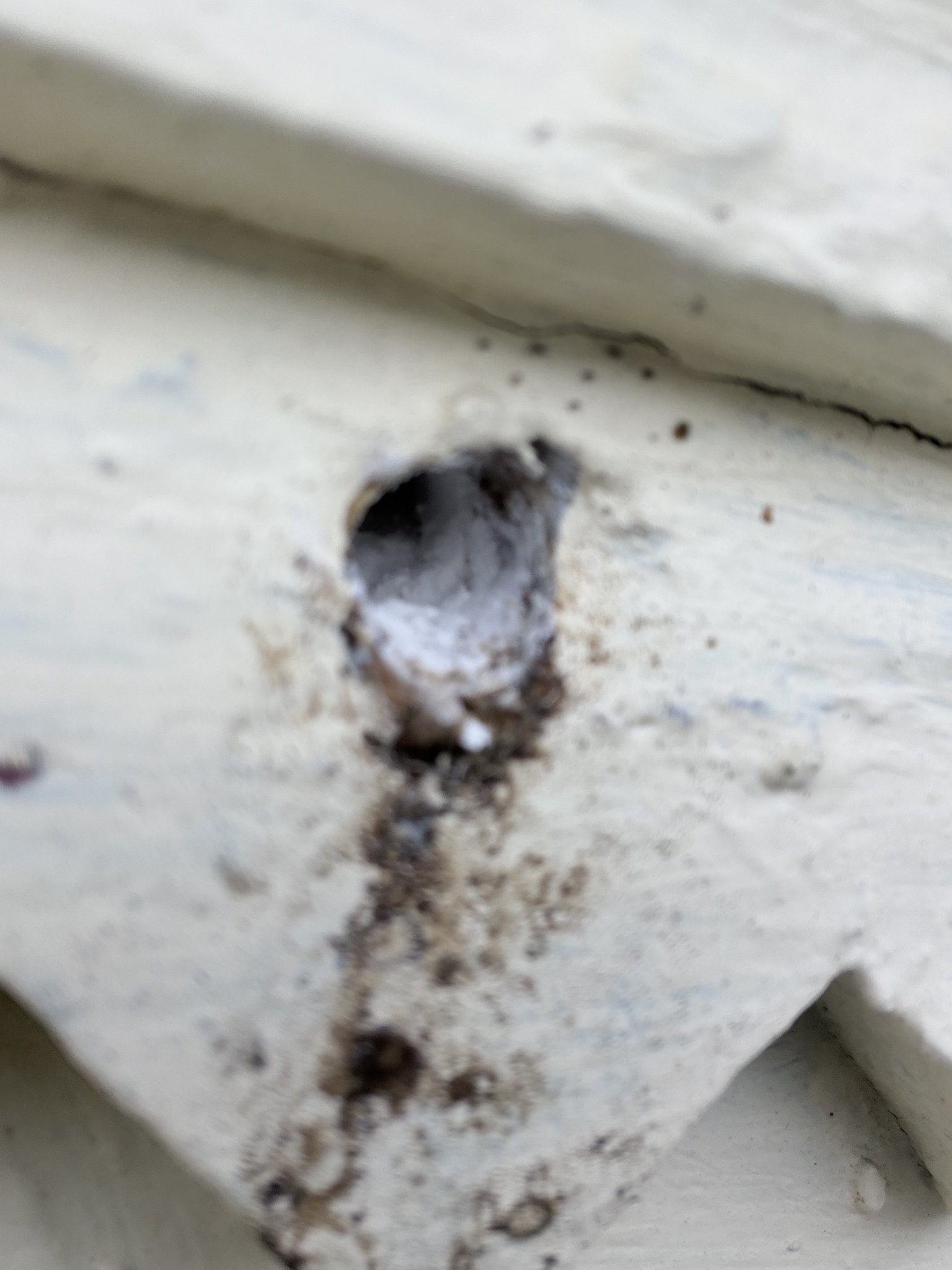
From carpenter bees to beetles will try and over winter in your home.
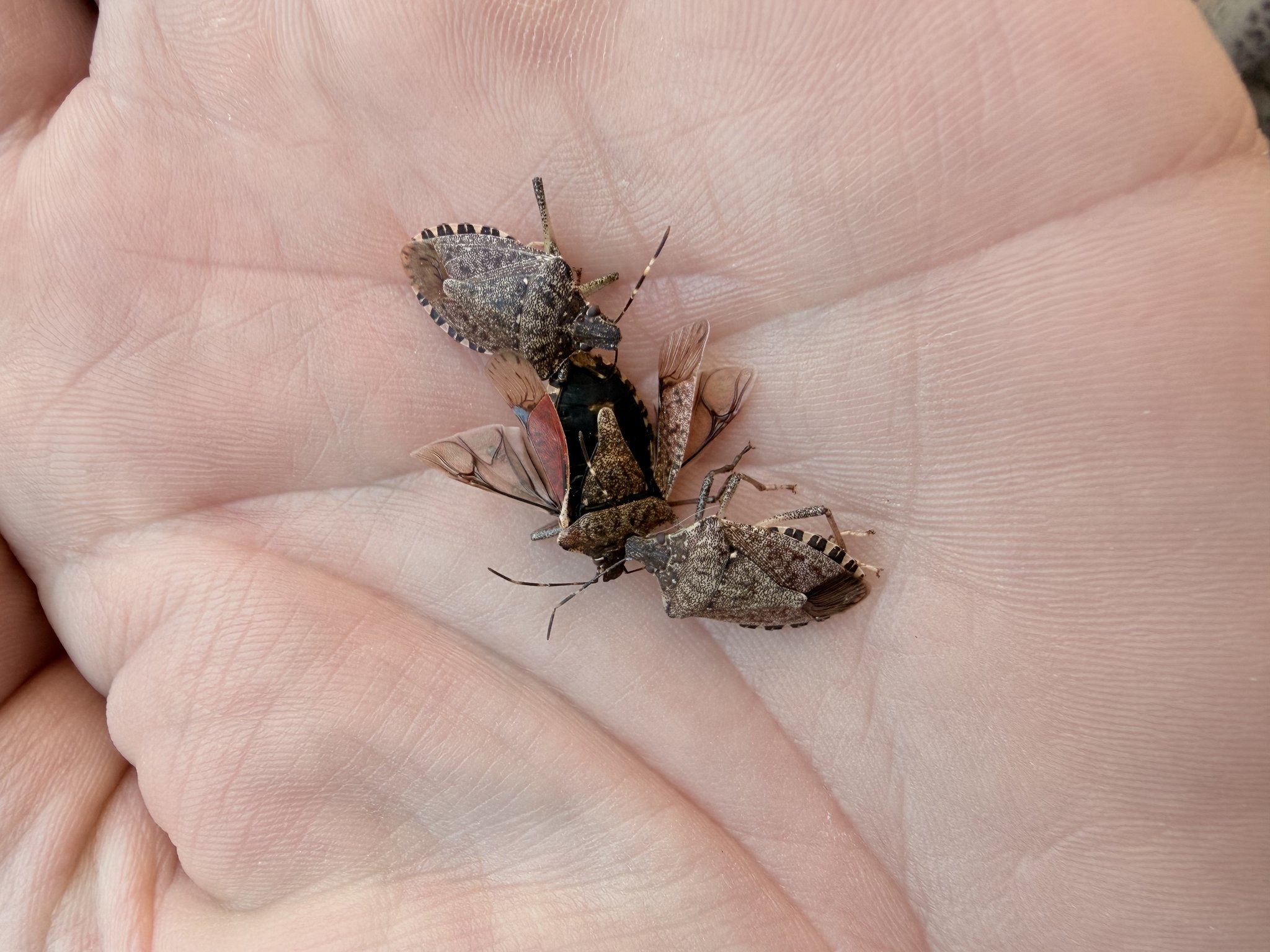
Stink bugs find a way inside.
Rodents use entry points from last winter.
We find them and close them for good.
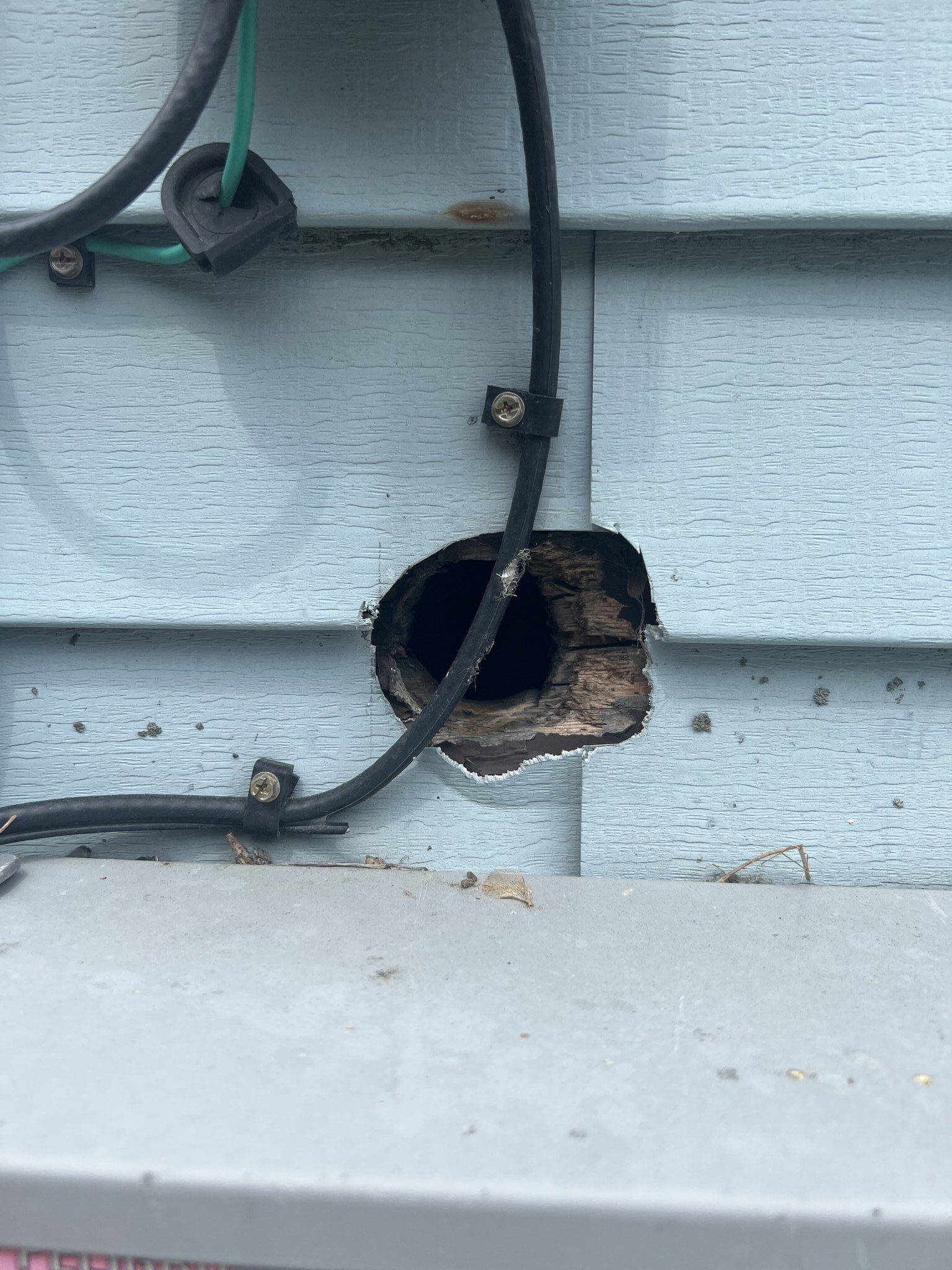
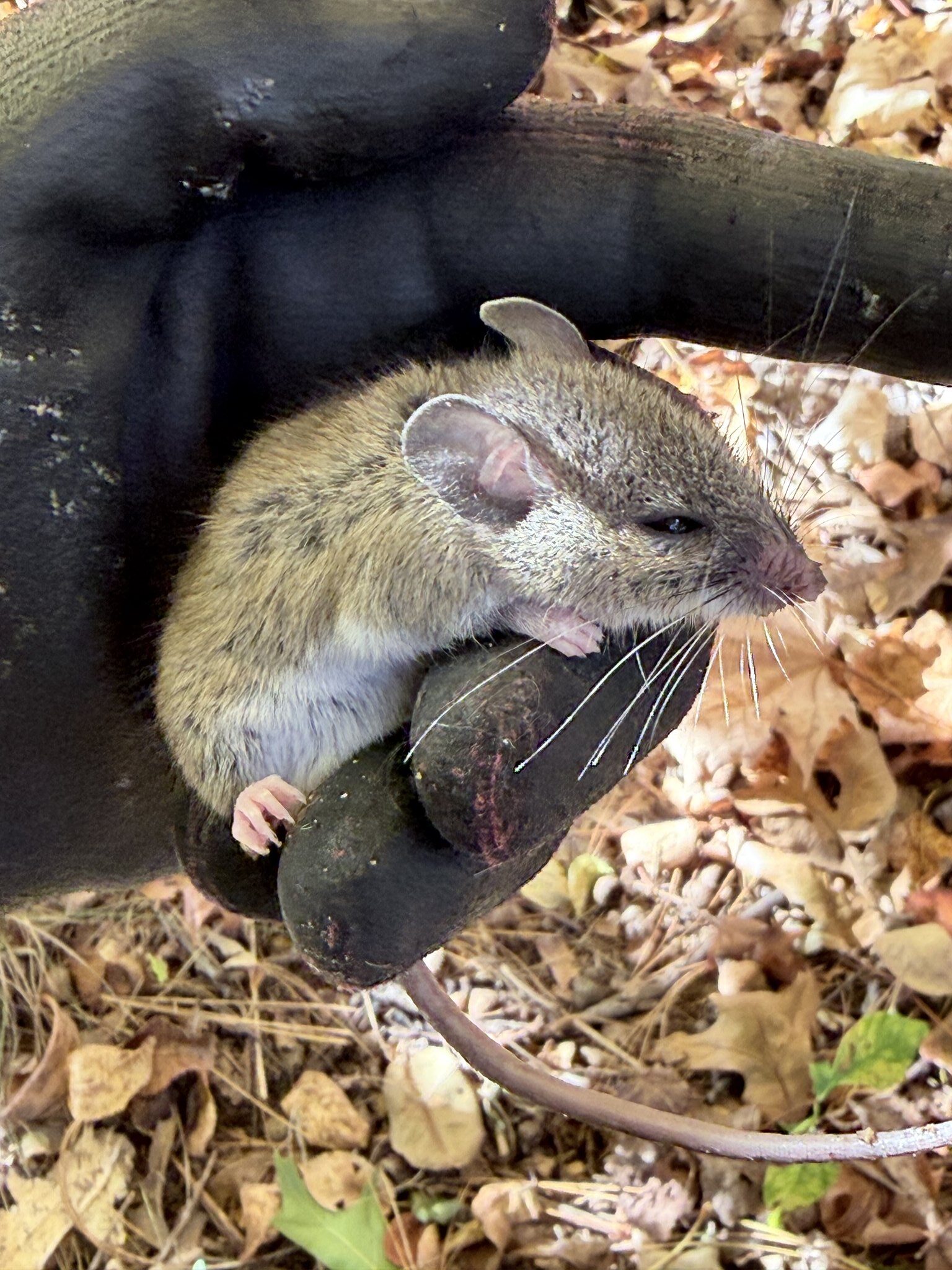
Rodent reproduce until next spring.
Cold nights send two kinds of pests toward your house at once. Lady beetles, stink bugs, boxelder bugs, and cluster flies gather on the sunny upper walls and slip into attics and wall gaps. Mice come in low, through foundation gaps as small as a quarter inch. Our fall visit handles both, for $350.
What the visit covers
One visit, inside and out:
- We walk the outside of the house and note where insects are gathering and where mice can get in.
- We treat the outside walls where overwintering insects collect. That is usually the south and west sides, plus eaves, window frames, and door frames.
- We check for mouse activity inside and out, and we place control devices where the activity is.
- We photograph each entry point we find, so you can see what we found and where.
- Before we leave, we go over what we found and what we recommend.
Price: $350 for a single-family home. Larger properties and multi-family buildings are quoted after a walkthrough.
60-day callback: If rodent activity shows up at the points we treated, or insects gather on the outside walls we treated, within 60 days, we come back at no charge.
Why one visit covers both
The same cold snap moves both pests, but they use different ends of the house. Insects follow the sun and the warmth coming off your walls, so they gather high on the sunny sides and work their way into attic vents, siding, and window trim. Mice follow warmth and food, and they come in low: sill plates, utility lines, and gaps under doors and bulkheads.
Seeing bugs at a window tells you where they ended up, not where they got in. Because we look at both ends of the house in the same visit, you get one trip, one set of findings, and one price.
The insects, and what they do once inside
| Insect | Where you see them | What they do inside |
|---|---|---|
| Multicolored Asian lady beetle | Sunny south and southwest walls, then windows indoors | Occasionally bite. When disturbed, they release a yellow fluid with an odor that can spot walls. |
| Brown marmorated stink bug | Window frames, vents, siding, and attics | Do not bite people or pets. They give off a smell like cilantro when crushed. |
| Boxelder bug | South and west walls, doors, and windows | Normally do no damage to the house. Their droppings can stain walls and curtains. |
| Cluster fly | Attics, under siding, and around windows | Do not damage the house, furniture, or people. |
| Western conifer seed bug | Sunny walls, usually one or a few at a time | Do not bite or sting. |
None of these insects breed inside your house: they come in to spend the winter and head back outside in spring.
Outside treatment works best in late September and early October, before they settle in. Insects that got into the walls before the visit will still wander out on warm, sunny days until spring, and they are the same ones that came in during fall, not a new batch. A vacuum handles them, and a nylon stocking held in the hose with a rubber band keeps the smell out of the vacuum.
Up high, where insects get in, a few small fixes help:
- Caulk cracks around windows, doors, and siding.
- Cover attic vents and chimneys with fine screen (number 20 mesh or smaller).
- Repair torn window screens.
Mice: what the visit does
Mice chew electrical wires and gas lines, and they can get in through a gap as small as a quarter inch. We find where they are coming in, place control devices where the activity is, and photograph each entry point so you can see exactly what we found.
If you want to know whether mice are still active after the visit, sensors can watch the stations for you. RodentRX, our digital pest monitoring platform, checks station activity against that week’s weather and your service history, so a busy week in November reads differently than a busy week in July. You see the same data we see. Learn about digital pest monitoring for your home.
Want the gaps sealed too?
Sealing is optional, and we recommend it wherever the visit turns up mouse entry points. We seal foundation and lower-wall gaps with copper mesh, hydraulic cement, or lumber, picked for each gap. Copper mesh doesn’t rust and mice can’t chew through it, and we photograph every point we seal.
Sealing is quoted after the visit, based on what we find. See how rodent exclusion works.
FAQ
Why are stink bugs coming into my house?
They are looking for a dry, sheltered place to spend the winter. On warm, sunny days in September and October, brown marmorated stink bugs gather on the outside of buildings and work in through gaps around windows, doors, vents, and siding. Attics and wall voids are what they are after. They do not breed inside.
Do stink bugs bite humans?
No. Stink bugs feed only on plants and do not bite people or pets, so the trouble is the smell and the spots their droppings can leave on walls and curtains.
Do stink bugs release odor when you kill them?
Yes. Crushing or handling one releases a smell many people compare to cilantro, and it can irritate skin. Pick them up with a tissue, or vacuum them with a nylon stocking in the hose so the smell stays out of the vacuum.
Why do I have flies in my house in winter?
They are most likely cluster flies that came in last fall to spend the winter in the attic and wall spaces. On warm days they wake up and find their way out through gaps in window frames and light fixtures, but they are not breeding in the house.
Do cluster flies mean something is dead in my attic?
No. Cluster flies are not the kind that feed on dead things or garbage; their young feed on earthworms in the soil outside, so a yard with plenty of earthworms tends to have more of them. In the fall they move into attics and walls only to spend the winter.
Where are they getting in? I sealed everything and still see them.
Mice can get through a gap as small as a quarter inch, and the gaps that matter are usually outside and low: sill plates, utility lines, and the edges of doors and bulkheads. Sealing inside the house can miss the outside openings. We check the outside of the foundation and photograph each entry point we find, so you can see what is still open.
Can mice chew through electrical wiring and start a fire?
Mice do chew electrical wires and gas lines, and the way to stop it is to find where they are getting in and close it. We place control devices where the activity is, photograph each entry point, and seal the gaps with copper mesh or cement if you want them sealed.