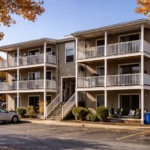
Worcester sits in the heart of Worcester County along the Lake Quinsigamond corridor. This geography creates year-round pest pressure from urban density and waterfront moisture. Dense housing stock includes Triple-Deckers, historic Victorians, and modern apartments. Shared walls in multi-family buildings allow pests to spread between units fast. PESTalytix provides inspection-based pest control backed by local knowledge and property-specific treatment plans. There are many factors detailed in our Worcester pest control guide.
The city’s lakes and parks shape pest behavior throughout the year. Lake Quinsigamond (6 miles long), Indian Lake, and Coes Reservoir create humid conditions. These water bodies attract carpenter ants to moisture-damaged wood. Kettle Brook corridor and its wetlands support rodent and mosquito populations.
Whether you own a single-family home in Tatnuck or manage multi-unit properties downtown, Worcester’s building age and density create shared challenges. Older brick foundations and balloon framing in pre-1950 buildings have gaps that pests exploit. This guide covers which pests affect Worcester properties and how to address them.
Schedule your free property inspection to identify entry points before problems spread.
Common Pests in Worcester
Worcester’s urban density, aging housing stock, and waterfront geography create conditions for several pest populations to thrive. Each pest section below answers the questions homeowners actually ask: why you have them, what they want, how to spot them, where they hide, and how they’re getting in. Understanding these patterns helps you catch problems early and know when professional help makes sense.
Mice & Rats (Rodents)
Why Do I Have Mice in My Worcester Home?
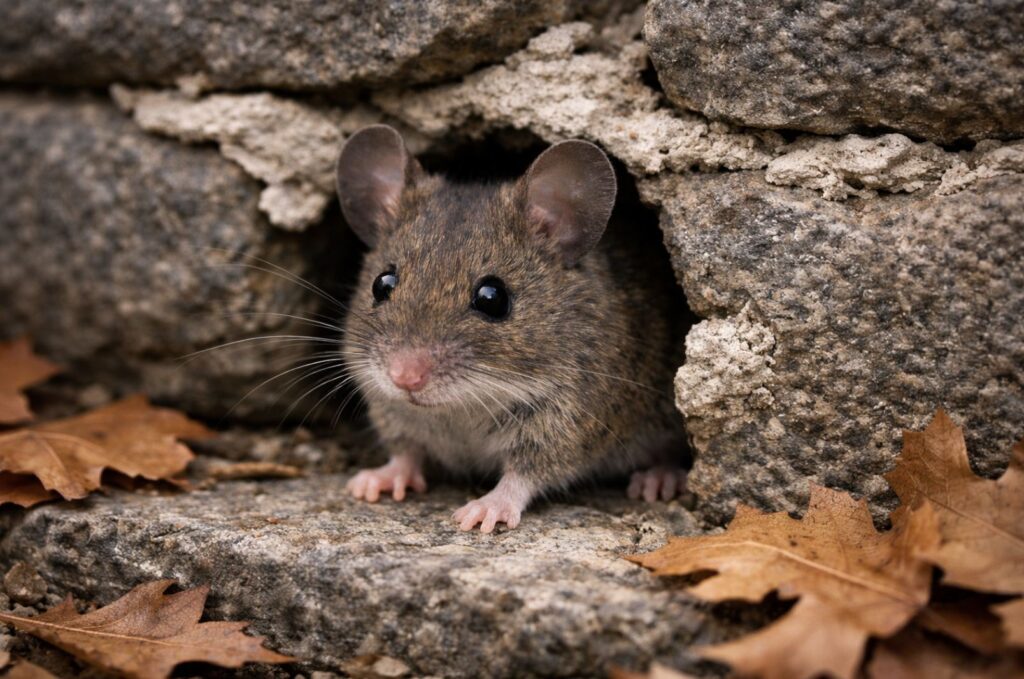
You’re not doing anything wrong. Worcester’s geography and housing stock create ideal rodent conditions that affect properties across the city. Be sure to read our comprehensive guide on mice control
- Urban density along Main Street and Shrewsbury Street provides constant food sources near restaurants, dumpsters, and loading docks
- Lake Quinsigamond and Indian Lake shorelines have soft, moist soil where Norway rats (Rattus norvegicus) burrow easily
- Triple-Deckers and mill housing on Water Street have balloon framing. Wall voids connect all floors and units.
- House mice (Mus musculus) and white-footed mice (Peromyscus leucopus) move indoors when temperatures drop below 50°F. This happens every year between September and November.
- Bird feeders in Tatnuck and Greendale fuel suburban mouse populations year-round
What Are They Looking For?
Mice and rats need three things to survive: warmth, food, and water. Your home offers all three.
- Warmth: Heat from refrigerator motors, furnaces, water heaters, and exterior walls facing afternoon sun
- Food: Pet food left out overnight, pantry items in cardboard boxes, crumbs behind stoves, birdseed in attached garages
- Water: Leaky pipes under sinks, condensation on basement walls, pet water bowls, dripping AC units
- Nesting materials: Insulation, cardboard, paper products, fabric scraps, stored clothing in boxes
A mouse needs only 3-4 grams of food daily. One forgotten bag of birdseed in your garage can sustain a colony for months.
How Do I Know If I Have Mice?
Trust your senses. Rodent evidence follows predictable patterns.
You’ll Hear:
- Scratching between 11 PM and 3 AM, same spot nightly
- Heavy thumping in basements (Norway rats are larger)
- Gnawing sounds in walls or ceiling
You’ll See:
- Rice-sized droppings with pointed ends (mice) in pantry backs and drawer corners
- Raisin-sized droppings with blunt ends (rats) along basement walls
- Oily smudge marks along baseboards and around gaps
- Shredded paper, insulation, or fabric (nesting materials)
You’ll Smell:
- Musky, ammonia-like odor in basement, attic, or enclosed spaces
- Stronger smell means larger or longer-established colony
Where Are They Hiding?
Once inside, rodents nest where it’s warm, protected, and close to food.
| Location | Why They Choose It | What to Check For |
| Behind refrigerator | Motor warmth, food debris underneath | Droppings, grease marks on wall |
| Under kitchen stove | Heat from pilot/elements, crumbs in drip pan | Gnaw marks on gas line insulation |
| Attic insulation | Heat rises, undisturbed, nesting material everywhere | Tunnels through insulation, yellow urine staining |
| Wall voids | Protected travel routes between floors | Scratching sounds from same spot nightly |
| Basement clutter | Ground-level access, endless hiding spots | Droppings in storage boxes, shredded paper |
| Garage storage | Near entry points, pet food and birdseed available | Gnawed bags, droppings on shelving |
How Are They Getting In?
Mice need a gap the size of a dime. Rats need a quarter-sized opening. Worcester’s housing stock provides plenty of both.
| Property Type | Common Entry Points | Neighborhoods |
| Pre-1950 Mill Housing | Failing mortar between bricks, utility chases, shared wall gaps | Water St, Main South, Vernon Hill |
| Triple-Deckers | Balloon framing voids, porch-to-wall junctions, gaps around pipes | Main South, Clark University area |
| Victorian Houses | Complex rooflines, dormer corners, foundation gaps at additions | College Hill, Highland St |
| Post-War Ranches | Garage door seal gaps, sill plate shrinkage, dryer vents | Tatnuck, Greendale, Burncoat |
| Lakefront Properties | All above plus moisture damage at sills and deck connections | Quinsigamond Village |
What Happens If I Ignore This?
Rodent problems don’t resolve on their own. They escalate.
Mice gnaw constantly because their teeth never stop growing. This means chewed electrical wires (fire risk), damaged PEX plumbing, and contaminated insulation. Their droppings and urine contaminate food prep surfaces and trigger allergies. A single breeding pair can produce 60+ offspring in one year. In Worcester’s dense housing, one unit’s mice become every unit’s mice through shared walls and utility chases.
Learn more about our professional rodent control services.
German Cockroaches
Why Do I Have Roaches in My Worcester Apartment?
German cockroaches (Blattella germanica) thrive in dense housing. Worcester’s multi-family buildings and restaurant corridors create ideal conditions.
- Shared plumbing chases and wall voids let roaches travel between units without ever being seen
- Restaurant density along Shrewsbury Street and in the Canal District creates harborage near residential buildings
- High tenant turnover introduces new populations through infested furniture and appliances
- One egg case produces 30-48 nymphs every 28 days under good conditions
- Your clean apartment doesn’t matter if neighboring units have problems
What Are They Looking For?
German roaches need warmth, moisture, and food. Kitchens and bathrooms provide all three.
- Warmth: Motor heat from refrigerators, dishwashers, microwaves, and coffee makers
- Moisture: Condensation under sinks, dishwasher door seals, leaky pipes, humid bathroom air
- Food: Grease residue on stovetops, crumbs in toaster trays, garbage, pet food, even cardboard glue
- Tight spaces: They prefer cracks where their bodies touch surfaces on both sides. Cabinet hinges, door gaskets, and outlet boxes are ideal.
How Do I Know If I Have Roaches?
Cockroaches avoid light. You may have a problem before you ever see one.
You’ll Hear:
- Usually nothing. Unlike rodents, roaches are silent.
You’ll See:
- Light brown roaches (½ inch) with two dark stripes behind the head
- Pepper-like droppings in cabinet corners and drawer backs
- Brown, purse-shaped egg cases (oothecae) under sinks and behind appliances
- Adults running from light at night in kitchens and bathrooms
- Shed skins in hidden areas as nymphs grow
You’ll Smell:
- Musty, oily odor in severe infestations
- Smell is strongest in enclosed cabinets and under sinks
Where Are They Hiding?
Roaches stay within 10 feet of food and water. Check these spots first.
| Location | Why They Choose It | What to Check For |
| Refrigerator motor housing | Warmth, darkness, near food debris | Droppings, egg cases on compressor |
| Dishwasher door hinges | Moisture, warmth, food residue | Live roaches when door is opened quickly |
| Microwave clock/vent area | Electronics generate heat | Droppings inside vent slots |
| Cabinet door hinges | Tight crevice, kitchen location | Pepper-like droppings, shed skins |
| Electrical outlet boxes | Warm, protected, pathway between units | Droppings around outlet plate |
| Cardboard storage | Glue is food source, harborage | Egg cases in box folds |
| Under sink cabinet | Moisture from pipes, darkness | Heavy droppings, musty smell |
How Are They Getting In?
German roaches rarely come from outside. They hitchhike or travel from neighboring spaces.
| Entry Method | How It Happens | Risk Level |
| Neighboring units | Travel through wall voids, plumbing chases, electrical conduits | High in multi-family |
| Used furniture/appliances | Egg cases hidden in hinges, motors, crevices | High |
| Grocery bags and boxes | Egg cases attached to cardboard, brought from infested warehouses | Moderate |
| Deliveries | Cardboard boxes from restaurants or warehouses | Moderate |
| Laundry facilities | Roaches in shared spaces hitch rides on clothing/baskets | Moderate |
What Happens If I Ignore This?
Roach populations explode fast. One female produces 4-8 egg cases in her lifetime. Each case hatches 30-48 nymphs.
Within three months, a few roaches become hundreds. Their shed skins and droppings trigger asthma and allergies. Food prep surfaces become contaminated. In multi-family buildings, treating one unit while neighbors do nothing guarantees reinfestation. Landlords face health code violations and tenant complaints. The longer you wait, the more expensive treatment becomes.
Contact us for roach control options.
Carpenter Ants
Why Do I Have Carpenter Ants Near My Kitchen?
Carpenter ants (Camponotus pennsylvanicus) don’t eat wood. They excavate it to build nests. Worcester’s moisture conditions make many homes attractive.
- Lake Quinsigamond and Indian Lake create elevated humidity that damages sills and framing
- Clogged gutters on Victorian houses overflow and wet fascia boards. Ants excavate the softened wood.
- Oak tree canopy in Tatnuck and College Hill provides branches that touch rooflines. Ants walk right in.
- Foraging activity spikes 24-48 hours after heavy rain events
- If you see large black ants near your dishwasher or sink, moisture damage is nearby
What Are They Looking For?
Carpenter ants need moisture-damaged wood for nesting. The kitchen sighting is just the foraging trail.
- Nesting sites: Soft, wet wood in window frames, door frames, rim joists, porch roofs, deck ledgers
- Parent colony connection: Indoor “satellite” colonies connect to a larger outdoor colony in a tree or stump
- Water sources: Leaky pipes, condensation, high humidity areas
- Food: They forage for protein and sugars. Pet food, crumbs, and aphid honeydew outdoors.
The ants you see in your kitchen may be traveling from a nest 50+ feet away.
How Do I Know If I Have Carpenter Ants?
Carpenter ant evidence is subtle until colonies mature.
You’ll Hear:
- Faint rustling in walls, especially at night. Large colonies sound like crinkling cellophane.
You’ll See:
- Large black ants (¼ to ½ inch) foraging near dishwashers, sinks, or bathrooms
- Frass (fine wood shavings like pencil shavings mixed with insect parts) under window sills or door frames
- Winged ants emerging indoors during spring. These are reproductive swarmers.
- Ants trailing along a consistent path, often near moisture sources
You’ll Smell:
- Formic acid odor if nest is disturbed. Usually faint or absent.
Where Are They Hiding?
Carpenter ants nest in wood that stays damp. Check these locations first.
| Location | Why They Choose It | What to Check For |
| Window sills with condensation | Moisture softens wood | Frass piles below sill, soft wood when probed |
| Bathroom subfloor | Shower/tub leaks create constant moisture | Soft spots in floor, ant activity at baseboards |
| Wall cavity behind dishwasher | Steam and leaks create hidden moisture | Ants emerging from wall when appliance runs |
| Porch roof connection | Ice dams and poor flashing trap water | Soft fascia, visible ant trails at roofline |
| Rim joist behind siding | Gutter overflow wets this area repeatedly | Frass falling from soffit, ants on exterior wall |
| Foam insulation voids | Moisture gets trapped, can’t dry out | Ants entering through small holes in foam |
How Are They Getting In?
Carpenter ants don’t need holes. They follow moisture from outside to inside.
| Property Type | Common Entry Paths | High-Risk Areas |
| Lakefront Properties | Wet deck posts, shoreline retaining walls, moisture-damaged sills | Quinsigamond Village, Greendale |
| Victorian Houses | Tree branches to roof, wet porch roofs, gutter overflow at fascia | College Hill, Highland St |
| Post-War Homes | Branches touching roof, wet rim joists at grade, deck ledger boards | Tatnuck, Burncoat |
| Commercial Buildings | Flat roofs with ponding water, planter boxes against walls | Route 9 corridor, Downtown |
What Happens If I Ignore This?
Carpenter ant damage is structural. Unlike termites, they work faster in wet wood.
A mature colony of 10,000+ workers can hollow out structural framing. Damage often extends far beyond what’s visible. By the time you see frass or swarmers, the colony has been active for 3-5 years. Repair costs include not just pest control but also replacing damaged joists, sills, and framing. The moisture problem that attracted them will attract the next colony if left unaddressed.
Learn more about carpenter ant treatment options.
Termites
Why Would I Have Termites in Worcester?
Eastern subterranean termites (Reticulitermes flavipes) live underground and need constant moisture. Worcester’s soil and housing conditions support active colonies.
- Sandy outwash soils along Kettle Brook corridor allow easy tunnel construction
- High water table in Main South and low-lying areas maintains ideal moisture year-round
- Slab construction with bath traps and utility penetrations provides hidden access to wood
- Termites work silently inside walls. Damage often goes unnoticed for years.
- Massachusetts has active termite populations. Worcester is not too cold for them.
What Are They Looking For?
Termites need cellulose (wood), moisture, and darkness. They avoid light and open air.
- Cellulose: Any wood product. Framing, subfloor, baseboards, door frames, cardboard, paper.
- Soil contact or moisture: They build mud tubes to maintain humidity while traveling from soil to food
- Undisturbed access: They avoid light and work inside wood, leaving the surface intact
- Stable conditions: Consistent temperature and humidity underground and inside walls
You won’t see termites foraging in your kitchen. They stay hidden until you break into their galleries.
How Do I Know If I Have Termites?
Termite evidence is easy to miss. Annual inspections catch what homeowners overlook.
You’ll Hear:
- Usually nothing. Soldier termites may tap heads against wood if disturbed, but this is rarely audible.
You’ll See:
- Mud tubes (pencil-width, brown) running up foundation walls from soil to wood
- Swarmers (winged termites) appearing near windows on warm spring days after rain
- Discarded wings near windows or light fixtures after a swarm
- Wood that sounds hollow when tapped
- Paint that bubbles or appears wavy over wood surfaces
You’ll Smell:
- Typically nothing. Termites don’t produce noticeable odors.
Where Are They Hiding?
Termites stay inside wood and soil. You’ll find evidence before you find termites.
| Location | Why They Choose It | What to Check For |
| Inside wall studs | Hidden, protected, constant access from soil | Hollow sound when tapped, mud in outlet boxes |
| Under baseboards | Direct path from slab to wood trim | Bubbling paint, soft wood when probed |
| Inside door frames | Wood contacts or is near slab | Doors that stick, soft spots at bottom of frame |
| Subfloor between joists | Large wood surface, accessible from crawlspace | Mud tubes on joists, hollow floor sections |
| Behind brick veneer | Hidden gap between brick and framing | Mud tubes emerging at weep holes |
| Basement window frames | Wood in contact with damp foundation | Soft wood, visible damage at corners |
How Are They Getting In?
Termites travel from soil to wood through cracks you can’t see.
| Foundation Type | Common Entry Points | What to Look For |
| Poured Concrete | Cracks, expansion joints, utility penetrations | Mud tubes on walls, tubes in cracks |
| Block/CMU | Open cores, mortar joints, pipe penetrations | Mud emerging from block faces |
| Brick | Weep holes, deteriorated mortar, behind veneer | Tubes at weep holes, hidden behind facade |
| Slab-on-Grade | Bath trap openings, plumbing penetrations, cracks | Tubes emerging at wall/floor junction |
| Crawlspace | Posts, piers, rim joist, any wood near soil | Tubes on piers, soft rim joist |
What Happens If I Ignore This?
Termite damage is slow but relentless. A mature colony consumes approximately 2 linear feet of 2×4 lumber per year.
Damage accumulates for years before detection. Structural repairs cost thousands. Homeowners insurance does not cover termite damage. Real estate transactions require Wood Destroying Insect (WDI) inspections. A termite history affects disclosure and sale price. The colony doesn’t stop eating until treatment eliminates it.
Learn more about termite inspection and treatment.
Wasps, Hornets & Yellowjackets
Why Are Wasps Building Nests on My House?
Your house offers exactly what stinging insects need: protected nest sites and nearby food sources.
- Paper wasps (Polistes spp.) build umbrella-shaped nests under eaves, decks, and porches
- Bald-faced hornets (Dolichovespula maculata) construct football-sized paper nests in trees and at roof peaks
- Eastern yellowjackets (Vespula maculifrons) nest in ground burrows and wall voids
- Peak aggressive behavior occurs August through October as colonies peak and food becomes scarce
- Mulched landscaping beds hide ground nests until someone gets stung while mowing
What Are They Looking For?
Stinging insect needs change throughout the season.
- Protected nest sites: Voids under eaves, inside soffits, behind siding, underground in abandoned rodent burrows
- Protein (spring/summer): They hunt insects to feed larvae. Beneficial in gardens, problematic near doors.
- Sugars (late summer/fall): As larvae production slows, workers seek sugars. Soda cans, fallen fruit, garbage attract them.
- Warmth for queens: In fall, fertilized queens seek sheltered spots to overwinter. Wall voids and attics are attractive.
Late-season yellowjackets are the most aggressive. They’re hungry, colonies are at peak size, and food is scarce.
How Do I Know If I Have a Nest?
Nest evidence is usually visible activity, not the nest itself.
You’ll See:
- Steady wasp traffic entering and exiting a small hole in siding or soffit
- Grey, papery nest hanging from tree branches or roof peaks (hornets)
- Umbrella-shaped open combs under deck railings or eaves (paper wasps)
- Ground activity around mulch beds or landscape timbers (yellowjackets)
- Wasps clustering around garbage, outdoor dining, or fallen fruit
You’ll Hear:
- Loud buzzing from inside wall voids or from a ground nest. This indicates a large colony.
You’ll Feel:
- Increased defensive activity when walking near certain spots. Vibration triggers attacks.
Where Are They Nesting?
Nests are either aerial (visible) or hidden (wall voids and ground). Hidden nests are most dangerous.
| Nest Type | Common Locations | What You’ll Notice |
| Ground nests (yellowjackets) | Mulch beds, old rodent burrows, under landscape timbers, lawn holes | Stream of wasps entering/exiting ground |
| Wall void nests (yellowjackets, wasps) | Behind siding via weep holes, through soffit gaps, around utility penetrations | Wasps entering one small hole repeatedly |
| Aerial nests (hornets) | High tree branches, roof peaks, porch overhangs | Visible grey paper nest, football-sized or larger |
| Sheltered nests (paper wasps) | Under deck railings, behind shutters, inside grill covers, under eaves | Small umbrella-shaped comb, visible cells |
| Structural nests (any species) | Attic spaces, garage ceilings, shed interiors | Nest built on rafter or ceiling surface |
How Are They Getting Access?
Any gap that leads to a void is a potential nest site.
| Entry Point | Why It’s Attractive | Risk Level |
| Weep holes in brick | Direct access to wall void, protected | High |
| Soffit gaps | Easy flight path to attic or soffit cavity | High |
| Gap under siding J-channel | Hidden void access, vertical flight path | Moderate |
| Abandoned rodent burrows | Pre-made underground cavity | High for yellowjackets |
| Gaps under landscape timbers | Protected ground void | Moderate |
| Rotted fascia boards | Weakened wood easy to chew through | Moderate |
What Happens If I Ignore This?
Stinging insect colonies grow all summer. By August, yellowjacket nests contain thousands of workers.
Ground nests are discovered when someone mows over them. Vibration triggers mass defensive attack. Wall void nests can contain 1,000+ wasps by fall. Allergic reactions to stings can be life-threatening. Late-season wasps are most aggressive because food is scarce and colonies are at peak size. Professional removal is safest when nests are in high-traffic areas or inside structures.
Learn more about wasp and hornet removal services.
Stink Bugs & Cluster Flies
Why Are Stink Bugs Covering My Walls Every Fall?
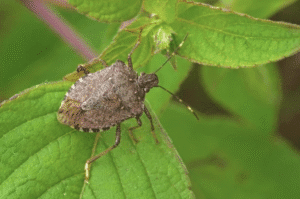
Brown marmorated stink bugs (Halyomorpha halys) and cluster flies (Pollenia rudis) don’t want to live in your house. They want to survive winter inside your walls.
These pests congregate on south and west-facing walls in late September and October. Afternoon sun warms these surfaces first. They squeeze through tiny gaps seeking the void spaces inside your walls where temperatures stay above freezing.
What Are They Looking For?
Fall invaders want one thing: warmth for overwintering.
- Wall voids and attic spaces: Stable temperature, protected from weather
- Not food: They don’t eat, breed, or cause damage indoors
- Not permanent residence: They’re dormant all winter, then try to leave in spring
They don’t infest like roaches or breed like mice. But dozens to hundreds emerging on warm winter days is a frustrating nuisance.
How Do I Know I Have Them?
Evidence is seasonal and obvious.
You’ll See:
- Masses of shield-shaped bugs on sunny exterior walls (September-October)
- Stink bugs appearing indoors on warm winter afternoons
- Cluster flies buzzing sluggishly at windows
- Dead bugs accumulating on windowsills
You’ll Smell:
- Sharp, cilantro-like odor when stink bugs are disturbed, crushed, or vacuumed. Very musky – it stinks! Wash your hands after handling them.
How Are They Getting In?
Any gap is an entry point. They can squeeze through openings as small as ⅛ inch.
- Window air conditioner gaps
- Weep holes in brick veneer
- Attic and soffit vents without screens
- Gaps around door and window frames
- Utility penetrations
- Damaged weatherstripping
What Happens If I Ignore This?
No structural damage. No health risk. Just nuisance.
The bugs already inside will emerge on warm days all winter. Vacuuming works, but stink bugs release odor. The best approach is exterior treatment in early fall before they enter. Once they’re in your walls, you’re stuck with them until spring.
Learn more about our Fall Pest Invaders Program.
Bed Bugs
Why Would I Have Bed Bugs in Worcester?
Bed bugs (Cimex lectularius) spread through human activity. Worcester’s housing density and population movement create ideal conditions.
- Multi-family buildings allow bed bugs to travel through walls, outlets, and plumbing chases
- Frequent tenant moves introduce infested furniture and belongings
- High-turnover rentals and student housing near Clark University see regular introductions
- Travel brings bed bugs home in luggage and clothing
- Used furniture purchases are high-risk sources
Cleanliness doesn’t prevent bed bugs. They want blood, not crumbs.
What Are They Looking For?
Bed bugs need blood meals from sleeping humans. Everything about their behavior follows this need.
- Proximity to sleeping hosts: They stay within 6-8 feet of where you sleep
- Harborage: Tight crevices where their flat bodies fit. Mattress seams, headboard joints, nightstand drawers.
- Darkness and stillness: They feed between 2-5 AM when CO2 levels indicate deep sleep
- Regular access: They feed every 5-10 days but can survive 12+ months without feeding
How Do I Know If I Have Bed Bugs?
Bed bugs hide well. Evidence appears before sightings.
You’ll See:
- Rusty or reddish stains on sheets (crushed bugs or digested blood)
- Small dark spots on mattress seams (fecal stains, look like pepper or marker dots)
- Pale yellow shed skins in mattress folds
- Live bugs (apple seed size, flat oval, reddish-brown) in seams and crevices
- Tiny white eggs (1mm, rice-shaped) glued in cracks
You’ll Feel:
- Itchy, red welts in clusters or lines on exposed skin. Often on arms, shoulders, neck.
- Not everyone reacts. About 30% of people show no visible bites.
Where Are They Hiding?
Bed bugs stay close to where you sleep. Check these spots first.
| Location | Why They Choose It | What to Check For |
| Mattress seams and tufts | Direct access to sleeping host | Dark spots, shed skins, live bugs |
| Box spring corners and edges | Protected, near host, often overlooked | Fecal staining, eggs in fabric folds |
| Headboard joints and crevices | Close to host’s head (CO2 source) | Live bugs, eggs in screw holes |
| Nightstand drawer joints | Within reach of bed, dark | Fecal spots, shed skins |
| Baseboards near bed | Travel path from walls | Dark streaking, bugs behind trim |
| Electrical outlets near bed | Access point between units | Bugs inside outlet box |
What Happens If I Ignore This?
Bed bug populations grow exponentially. A few become hundreds within months.
Females lay 1-5 eggs daily. Population can double every 16 days under good conditions. They spread to adjacent rooms and units through walls and shared infrastructure. They survive 12+ months without feeding, making them extremely difficult to starve out. DIY treatments rarely eliminate infestations because eggs resist most products. Professional heat or chemical treatment is typically required.
Our Process for Worcester Properties
Every treatment starts with inspection. We need to know what pests are present, how they’re getting in, and how severe the problem is. Only then can we recommend the right approach.
| Phase | Duration | What Happens | You Receive |
| 1. Inspection | Day 1 (1-2 hrs) | Complete property inspection, entry point ID, pest evidence documentation | Findings report with photos + treatment options |
| 2. Planning | Day 1-2 | Develop treatment plan based on findings, identify exclusion opportunities | Written plan with pricing for each part |
| 3. Customer Approval | Flexible | Review findings and plan together, you approve treatment scope | Clear understanding of what’s included and cost |
| 4. Treatment | Scheduled | Pest control treatment per approved plan; exclusion work if approved | Service documentation + follow-up schedule |
| 5. Follow-Up | Ongoing | Monitoring visits, adjustments as needed | Status updates + recommendations |
For multi-unit properties, we coordinate with all affected units and provide documentation for compliance needs.
Infrastructure & Environmental Safety
Worcester’s mix of property types requires different approaches. Here’s how we handle special situations.
| Property Type | Special Considerations | Our Approach |
| Well Water Properties | No contamination risk | Approved materials only, buffer compliance |
| Lake Quinsigamond Shore | State park buffer zones | Reduced-risk treatments, targeted application |
| Multi-Family Buildings | Tenant coordination, spread prevention | Unit-by-unit treatment, shared wall attention |
| Historic Properties | Material preservation, structural sensitivity | Non-invasive methods where possible |
| Commercial Kitchens | Health code compliance, zero visibility | Audit-ready documentation, discrete monitoring |
Regulatory awareness matters. The Massachusetts Wetlands Protection Act affects properties near Worcester’s water bodies. Food service establishments must meet state health codes. We provide documentation to support your compliance needs.
Seasonal Pest Prevention for Worcester
Spring (March – May)
- [ ] Inspect foundation for new cracks after frost heave
- [ ] Check sump pump function before wet season
- [ ] Watch for termite swarmers on warm days after rain
- [ ] Schedule carpenter ant inspection if previous moisture issues
Summer (June – August)
- [ ] Monitor for wasp nest construction in eaves and soffits
- [ ] Keep landscaping trimmed 6 inches from foundation
- [ ] Address moisture issues that attract ants
- [ ] Check door sweeps and window screens
Fall (September – November)
- [ ] Seal gaps before stink bug migration (early September)
- [ ] Clean gutters to prevent moisture damage
- [ ] Schedule rodent exclusion before temperature drops
- [ ] Remove fallen fruit and outdoor food sources
Winter (December – February)
- [ ] Monitor for scratching sounds (active rodent entry)
- [ ] Watch for stink bugs on warm days (already inside)
- [ ] Address any new ice dam moisture damage
- [ ] Plan spring inspection if concerns arise
When to Call for Help
Not sure if you need professional help? Use this guide to assess urgency.
| What You’re Experiencing | What It Means | Timeline | Action Needed |
| One-time pest sighting | Scout or accidental entry | Recent | Monitor 48 hours |
| Scratching EVERY night (same spot) | Established entry point | 1-2 weeks | Schedule inspection |
| Droppings in 3+ rooms | Active throughout property | 2-4 weeks | Call this week |
| Ammonia smell or visible damage | Established colony | Active | Call today |
| Tenant complaints about same issue | Unit-to-unit spread | Active | Call today for multi-unit plan |
Signs requiring immediate action:
- Aggressive stinging insect nest near high-traffic areas
- Rodent activity in food storage areas
- Bed bug confirmation in rental units
- Any pest issue before a scheduled inspection or audit
What Affects Pest Control Costs in Worcester
Cost depends on property type, infestation severity, and what work is needed. Here’s what affects your quote.
| Property Type | Cost Factors | Why It Matters |
| Pre-1950 Mill Housing | Multiple entry points, balloon framing, shared walls | More sealing work required |
| Triple-Deckers | Vertical spread risk, tenant coordination | Multiple units may need treatment |
| Single-Family Homes | Property size, construction type | Varies by age and condition |
| Commercial Properties | Compliance requirements, documentation needs | Audit-ready service adds value |
Why DIY Often Falls Short
| Attempt | What You Buy | Cost | Time Spent | Result |
| #1: Hardware Store | Foam, snap traps, sprays | $50-100 | 10-15 hours | Pests chew through foam, avoid traps |
| #2: More Supplies | More traps, poison baits | $40-80 | 8-12 hours | Dead pest smell in walls |
| #3: “Pro Grade” | Online products, steel wool | $30-60 | 6-10 hours | Still seeing activity |
| Total Before Calling Pro | — | $120-240 | 24-37 hours | Problem not solved |
Get Your Actual Cost
Free Property Inspection includes:
- Complete walkthrough with photos
- Entry point identification
- Written findings report
- Treatment options with pricing
- No obligation, no pressure
Schedule your free inspection to get an accurate quote.
Frequently Asked Questions
How much does pest control cost in Worcester?
Cost varies by property type, pest type, and severity. Triple-Deckers and multi-unit buildings typically require more work than single-family homes. Schedule a free inspection for an accurate quote based on your specific property.
How do exterminators get rid of mice?
Professional mouse control combines trapping to reduce population with exclusion to seal entry points. The goal is removing current mice AND preventing new entry. DIY efforts usually fail because entry points remain open.
Why do I have cockroaches in my Worcester apartment?
German roaches spread between units through plumbing penetrations and shared walls. Even clean apartments can get roaches from neighboring units. Effective treatment requires addressing all affected units simultaneously.
What are the signs of termites in a house?
Look for mud tubes on foundation walls, hollow-sounding wood, and swarmers (winged termites) appearing indoors in spring. Worcester’s moist soil conditions support termite colonies year-round.
How do you tell termites from carpenter ants?
Termites have straight antennae, uniform waists, and equal-length wings. Carpenter ants have elbowed antennae, pinched waists, and wings of different lengths. Termites eat wood while carpenter ants only excavate it for nesting.
Is pest treatment safe for pets?
We offer reduced-risk options suitable for households with pets. Treatment materials dry within 2-4 hours. We’ll discuss specific precautions during your inspection based on your situation.
How do you treat multi-family buildings?
Multi-unit treatment requires coordination. We inspect all affected units, treat simultaneously to prevent spread, and provide documentation for property management. Shared wall attention prevents pests from relocating between units.
How often should I have pest inspections?
Annual inspections catch problems early. Properties with previous issues, older construction, or lakefront locations benefit from twice-yearly checks. Regular monitoring prevents small problems from becoming expensive ones.
Will wasps return after nest removal?
The original colony won’t rebuild in the same spot that season. However, the same conditions that attracted the first nest may attract new queens next year. Prevention includes sealing entry points and reducing attractants.
Do you provide documentation for landlords?
Yes. We provide service documentation, findings reports, and treatment records for compliance and tenant communication needs.
Protect Your Worcester Property
Worcester’s urban density, diverse housing stock, and waterfront geography create consistent pest pressure. From mice moving through Triple-Decker walls to carpenter ants targeting lakefront sills, each property type faces specific challenges.
PESTalytix knows Worcester neighborhoods. We understand how Main South construction differs from Tatnuck ranches. We know why Lake Quinsigamond properties face different pressure than downtown buildings.
Pest control works best when it starts with proper inspection. We identify what’s happening, show you evidence, and explain your options clearly. You approve the treatment scope before any work begins. Schedule your free Worcester property inspection and get expert assessment of your pest situation.
Related Worcester Resources
Looking for information on other Worcester pests? Our comprehensive Pest Control in Worcester MA guide covers carpenter ants, termites, ticks, and seasonal prevention strategies specific to Worcester County.