

Finding droppings in your kitchen or hearing scratching in your walls at night? Grafton sits in Worcester County where the Quinsigamond River, historic mill villages, and suburban residential development create diverse pest pressure patterns across town. Lake Ripple (70 acres), Fisherville Pond, and Bummet Brook provide lakefront moisture while the Quinsigamond River and Blackstone watershed maintain soil humidity that carpenter ants and termites exploit. Properties range from historic Colonial and Victorian homes around Grafton Common to mill village housing in Farnumsville and Saundersville to suburban development near the MBTA station, each facing distinct pest challenges based on construction type and location. PESTalytix provides inspection-based pest control with treatment plans matched to your property’s specific challenges.
Grafton’s geography combines river corridors, conservation lands, and commuter-oriented development. The Quinsigamond River flows through town, creating riparian habitat that supports rodent and tick populations. Martha Deering Wildlife Management Area (180 acres) and Hassanamesit Woods add conservation acreage that drives wildlife pressure toward adjacent residential properties. Historic mill villages along the river maintain their character while facing the pest challenges common to dense, aging housing stock. The MBTA Grafton Station has spurred development in North Grafton, adding suburban properties to the mix.
Whether you own a historic home near Grafton Common, mill village housing in South Grafton, or lakefront property on Lake Ripple, this guide covers the pests you’ll encounter and how to stop them. You’ll learn why Grafton’s river-and-village environment attracts specific pests, how to identify early warning signs, and when professional help makes sense.
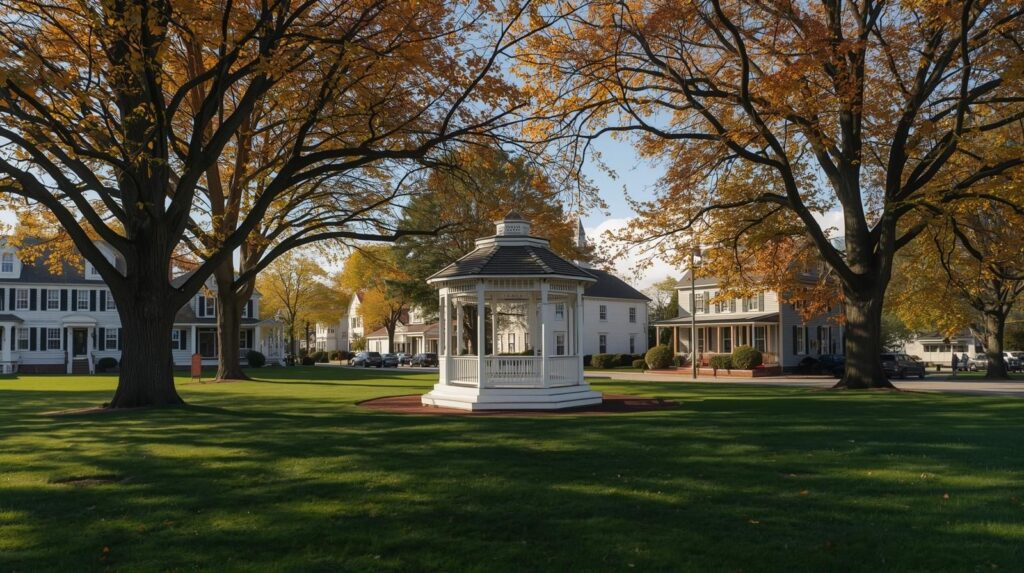
Common Pests in Grafton
Grafton’s position where river corridors, mill villages, and suburban development converge creates conditions for several pest populations to thrive. Each pest section below answers six questions: why you have them, what they want, how to spot them, where they hide, how they’re getting in, and what happens if you wait. Understanding these patterns helps you catch problems early and know when professional help makes sense.
Mice (Mus musculus and Peromyscus leucopus)
Grafton’s mix of river corridors, conservation lands, and varied housing stock creates mouse pressure across town. Properties near the Quinsigamond River, throughout the mill villages, and adjacent to Martha Deering WMA all face pressure as mice move from outdoor habitats toward heated structures each fall.
Why Do I Have Mice in My Grafton Home?
Grafton’s environment creates multiple mouse attractants:
- Quinsigamond River corridor: The river creates habitat where mice travel between riparian areas and residential properties
- Martha Deering WMA: The 180-acre wildlife management area supports rodent populations that migrate toward nearby homes
- Mill village density: Farnumsville, Saundersville, and Fisherville have older housing stock with gaps that mice exploit readily
- Lake Ripple shoreline: Lakefront vegetation and cover support mouse populations moving toward structures
What Are Mice Looking For?
- Warmth: Temperatures below 50°F trigger migration toward heated structures
- Food: Pet food, bird seed, garden produce, kitchen scraps, stored goods
- Nesting material: Insulation, fabric, paper, cardboard, and stored items
How Do I Know If I Have Mice?
You’ll Hear:
- Scratching between 11 PM and 3 AM (same spot nightly indicates established runway)
- Scurrying in ceiling voids and wall cavities
- Gnawing sounds at utility penetrations
You’ll See:
- Rice-sized droppings (black, pointed ends) in cabinet corners and drawer runners
- Grease marks along baseboards at consistent height
- Gnawed food packaging with small shredded edges
You’ll Smell:
- Musty, ammonia-like odor in enclosed spaces (attic, basement, closets)
- Sweet, decaying smell indicates dead mouse in wall (3-5 days after death)
Where Are They Hiding?
| Location | Signs | Priority |
|---|---|---|
| Kitchen cabinets | Droppings behind dishes, near food | High – check first |
| Basement/cellar | Runway marks, nesting in insulation | High |
| Garage | Nesting in storage, near vehicles | High |
| Behind appliances | Droppings in stove/fridge gap | High |
| Utility rooms | Nesting near water heater, dryer | Medium |
How Are Mice Getting In?
| Property Type | Common Entry Points | Grafton Areas |
|---|---|---|
| Historic Center Homes | Stone foundation gaps, bulkhead doors, cellar hatches | Grafton Common area |
| Mill Village Housing | Shared wall gaps, utility penetrations, basement access | Farnumsville, Saundersville |
| Lakefront Properties | Moisture damage at sills, dock connections | Lake Ripple |
| Suburban Homes | Sill plate shrinkage, garage door seals, dryer vents | North Grafton, MBTA area |
What Happens If I Ignore This?
Mice reproduce rapidly. One pair can produce 60+ offspring in a year. Beyond contamination and property damage, mice carry deer ticks into homes. Grafton’s river corridors and conservation lands support tick populations, and mouse-borne tick transport increases family exposure even without significant outdoor activity. For detailed identification and elimination strategies, see our complete guide to mouse prevention and control.
For Grafton properties near the river or conservation lands, mouse exclusion for Grafton’s river-corridor properties addresses both the rodent problem and the tick risk they bring indoors.
Carpenter Ants (Camponotus pennsylvanicus)
Grafton’s combination of river moisture, lake shoreline, and aging mill village housing makes it prime carpenter ant territory. Properties near the Quinsigamond River, Lake Ripple, and throughout the mill villages face ongoing pressure from this wood-destroying insect.
Why Do I Have Carpenter Ants in My Grafton Home?
Carpenter ants don’t eat wood. They excavate it to build nests, and they need moisture-softened wood to work efficiently.
- Quinsigamond River corridor: Properties near the river experience persistent ground moisture that softens structural wood
- Lake Ripple shoreline: Lakefront properties face elevated humidity that creates favorable nesting conditions
- Mill village housing age: Farnumsville, Saundersville, and Fisherville have housing stock dating to the mill era with vulnerable sills and framing
- Hassanamesit Woods interface: Mature trees near this conservation area harbor satellite colonies that send foragers to nearby structures
What Are Carpenter Ants Looking For?
- Moisture-damaged wood: Rotted sills, window frames, deck posts, porch columns
- Void spaces: Wall cavities, foam insulation, hollow doors
- Protein and sugar: They forage for food but nest in wood
How Do I Know If I Have Carpenter Ants?
You’ll Hear:
- Rustling/crinkling inside walls (sounds like cellophane)
- Most audible on warm evenings (colony activity increases)
You’ll See:
- Large black ants (1/4″ to 1/2″) indoors, especially near moisture
- Sawdust piles (frass) below baseboards, window frames, or ceiling junctions
- Winged swarmers in spring (late April through June in Grafton)
You’ll Smell:
- Formic acid odor when colony is disturbed (similar to vinegar)
Where Are They Hiding?
| Location | Why Here | Check For |
|---|---|---|
| Bathroom walls | Moisture from plumbing leaks | Frass below baseboard |
| Window frames (north side) | Condensation damage | Soft, punky wood |
| River-facing sills | Persistent humidity exposure | Ant trails at dusk |
| Porch columns and sills | Ground contact, splash zone | Hollow sound when tapped |
| Shared walls (mill villages) | Trapped moisture between units | Frass in wall junction |
How Are Carpenter Ants Getting In?
| Entry Route | How It Works | Grafton Properties |
|---|---|---|
| River corridor trees | Walk from canopy to roofline | Quinsigamond River area |
| Foundation cracks | Follow cracks to interior voids | Historic center homes |
| Utility penetrations | Gaps around pipes, wires, AC lines | All properties |
| Shared wall pathways | Travel between connected units | Mill village housing |
| Firewood against house | Staging area within 10 feet of entry | Rural properties |
What Happens If I Ignore This?
Carpenter ants don’t work as fast as termites, but they don’t stop. A mature colony contains 10,000-50,000 workers excavating 24/7. Grafton’s historic village homes and mill housing often feature original timber framing that carpenter ants can damage significantly over several seasons. Structural repairs cost far more than treatment. For comprehensive identification and treatment approaches, see our complete guide to carpenter ant identification and elimination.
For Grafton homes near the river or in mill villages, structural ant treatment for Grafton’s historic mill village properties protects original materials before damage becomes irreversible.
Ticks (Ixodes scapularis – Deer Tick)
Grafton’s river corridors, conservation lands, and lake shorelines create tick pressure zones that extend into residential yards. Martha Deering WMA, Hassanamesit Woods, and the Quinsigamond River corridor all bring tick habitat close to homes.
Why Do I Have Ticks in My Grafton Yard?
Worcester County has among the highest Lyme disease rates in Massachusetts. Grafton’s geography concentrates the factors that drive tick populations:
- Martha Deering WMA: The 180-acre wildlife management area maintains deer and rodent populations that support tick reproduction
- Quinsigamond River corridor: River buffer vegetation maintains tick-friendly humidity conditions throughout the corridor
- Lake Ripple shoreline: Lakefront vegetation and humidity support tick survival
- Stone wall corridors: Grafton’s historic stone walls create protected tick habitat and rodent highways throughout older properties
What Are Ticks Looking For?
- Blood meals: Required at each life stage (larva, nymph, adult)
- Humidity: Ticks die in dry conditions. They need 80%+ humidity to survive
- Hosts: Mice, deer, dogs, humans. They wait on vegetation at knee height.
How Do I Know If I Have Ticks?
You’ll Find:
- Attached ticks on family members or pets after outdoor time
- Nymphs (poppy-seed sized) are hardest to spot and most likely to transmit disease
- Adult ticks (sesame-seed sized) on clothing after yard work
You’ll See:
- Deer browsing damage on landscaping indicates deer presence and tick transport
- Mouse activity (droppings in garage, shed) means tick hosts are nearby
You’ll Feel:
- Bites often go unnoticed. Check daily during May-July peak season.
Where Are Ticks Waiting?
| Zone | Risk Level | Tick Behavior |
|---|---|---|
| WMA/conservation edges | Highest | Quest on tall grass at property boundary |
| River corridor margins | High | Shaded humidity supports survival |
| Stone wall perimeters | High | Protected habitat, rodent highways |
| Garden bed edges | Medium-High | Mice forage here, drop ticks |
| Lawn center (sunny) | Low | Too dry for tick survival |
How Are Ticks Getting to Your Family?
| Pathway | How It Works | Grafton Areas |
|---|---|---|
| Pet transport | Dogs walk through questing zones, carry ticks indoors | All properties |
| River trail recreation | Walking along Quinsigamond corridor | Riverview Park area |
| Conservation land contact | Hiking at Martha Deering WMA, Hassanamesit Woods | Adjacent properties |
| Garden work | Weeding, landscaping at property edges | Throughout town |
| Mouse transport | Mice bring ticks into structures | Properties near conservation land |
What Happens If I Ignore This?
Lyme disease can cause long-term neurological, cardiac, and joint problems if not treated early. Nymphal ticks (active May-July) are most dangerous because their small size makes them easy to miss. A tick must be attached 24-48 hours to transmit Lyme, so daily checks help. But reducing tick populations in your yard reduces exposure risk significantly. For complete tick identification and prevention strategies, see our comprehensive guide to tick prevention and control.
For Grafton families with river-adjacent or conservation-adjacent properties, tick barrier programs for Grafton’s Quinsigamond River properties create buffer zones that reduce yard tick populations by 85-90%.
Termites (Reticulitermes flavipes – Eastern Subterranean Termite)
Grafton’s Quinsigamond River drainage and lake-adjacent soils mean moist ground conditions that termites exploit for underground movement. Properties near the river, Lake Ripple, and in low-lying areas face elevated termite risk.
Why Do I Have Termites in My Grafton Home?
Subterranean termites need soil contact for moisture and travel. Grafton’s soil conditions support active colonies:
- Quinsigamond River corridor: The watershed maintains soil moisture levels termites require for colony survival
- Lake Ripple shoreline: Properties near the lake face elevated soil moisture year-round
- Mill village locations: Many Farnumsville and Saundersville properties sit in low-lying areas near the river
- Historic construction practices: Many Grafton village homes have insufficient clearance between soil and structural wood
What Are Termites Looking For?
- Cellulose: Wood, paper, cardboard, and plant materials
- Moisture: Colonies maintain 80-90% humidity requirements
- Soil contact: Workers return to soil colonies daily for moisture
How Do I Know If I Have Termites?
You’ll See:
- Mud tubes on foundation walls (pencil-width, brown, dried mud)
- Winged swarmers emerging indoors (spring, usually March-May)
- Wood that sounds hollow when tapped but looks fine externally
You’ll Notice:
- Doors or windows that suddenly stick (framing damage causes alignment issues)
- Sagging floors or soft spots in wood flooring
- Paint bubbling on wood surfaces
You Won’t See:
- Termites work inside wood, so damage is often hidden until severe
Where Are Termites Hiding?
| Location | Why Here | What to Check |
|---|---|---|
| Stone/block foundation walls | Soil access, moisture wicking | Mud tubes on interior face |
| Basement posts | Wood-to-earth contact | Hollow sound, surface damage |
| Sill plates | Lowest structural wood | Probe with screwdriver |
| River-side foundation walls | Persistent moisture | Mud tube presence |
| Porch/deck posts | Ground contact | Mud tubes underneath |
How Are Termites Getting In?
| Entry Point | How It Works | Grafton Properties |
|---|---|---|
| Foundation gaps | Workers build mud tubes through mortar joints | Historic center homes |
| River corridor moisture | Consistently wet soil provides travel medium | Quinsigamond River area |
| Wood mulch contact | Termites travel through mulch to siding | Landscaped properties |
| Shared foundation connections | Colonies spread between connected units | Mill village housing |
| Porch posts | Direct wood-to-soil contact | Properties throughout Grafton |
What Happens If I Ignore This?
Termites work slowly but continuously. A mature colony consumes 5-10 pounds of wood per year. Unlike carpenter ants, termite damage is often invisible until structural failure occurs. Massachusetts requires termite (WDI) inspection for most home sales. Undisclosed termite history affects resale value and disclosure requirements. For complete termite identification and protection strategies, see our comprehensive guide to termite detection and elimination.
For Grafton properties, especially those near the river or in mill villages, termite inspection for Grafton’s river-valley properties protects both structure and property value.
Mosquitoes (Culex and Aedes species)
Grafton’s river corridor, lake, and wetland areas create significant mosquito populations from May through September.
Why Are Mosquitoes a Problem in Grafton?
- Quinsigamond River corridor: River margins and backwater areas provide extensive mosquito breeding habitat
- Lake Ripple: Shoreline vegetation and margins support mosquito populations
- Fisherville Pond: Pond margins provide additional breeding sites
- Farnumsville wetlands: Wetland areas near the river support mosquito breeding
- Bummet Brook: Brook wetlands throughout town contribute to mosquito populations
How to Reduce Mosquitoes
- Eliminate standing water within 50 feet of your home
- Clear debris from drainage areas on your property
- Clean gutters to prevent pooling
- Consider barrier treatment for outdoor entertaining areas
For detailed mosquito identification and control methods, see our complete guide to mosquito prevention and control.
For Grafton properties near the river or Lake Ripple, mosquito barrier treatment for Grafton’s lakefront and river properties reduces populations for safer outdoor living.
Stink Bugs & Fall Invaders (Halyomorpha halys – Brown Marmorated Stink Bug)
Grafton’s mix of suburban development and sun-exposed homes creates fall invader pressure. Stink bugs and other overwintering insects migrate to heated structures as temperatures drop.
Why Do Fall Invaders Target Grafton Homes?
- Sun exposure: South and west-facing walls on suburban homes warm on fall afternoons, attracting clustering insects
- Historic construction gaps: Older homes near Grafton Common and in mill villages have more entry points around windows and siding
- Conservation land proximity: Properties near Martha Deering WMA and Hassanamesit Woods face insect pressure from adjacent lands
- Suburban landscaping: Ornamental plantings can harbor stink bug populations
How to Reduce Fall Invaders
- Seal gaps around windows and doors before September
- Install door sweeps and repair screens
- Avoid crushing stink bugs indoors (releases odor and attracts more)
- Professional perimeter treatment in early fall prevents clustering
For Grafton homes near conservation lands or with significant sun exposure, fall pest prevention for Grafton’s suburban properties creates a barrier before stink bugs start clustering.
Our Process for Grafton Properties
Every Grafton property is different. A historic home near Grafton Common needs different approaches than mill village housing in Farnumsville or a suburban home near the MBTA station. Our process adapts to your specific situation.
Step 1: Property Assessment
We walk your entire property, inside and out. You’ll get:
- Entry point identification with photos
- Activity evidence documentation
- Environmental risk factors specific to your location
- Written findings you can review
Step 2: Treatment Recommendation
Based on inspection findings, we explain:
- What’s happening and why
- Treatment options that fit your property
- Timeline and what to expect
- Materials we may use and why
Nothing happens without your approval.
Step 3: Treatment Implementation
We apply targeted treatments to active areas and high-risk entry points. For Grafton properties:
- River-adjacent homes get moisture-focused assessment
- Mill village housing receives shared-wall awareness
- Historic center homes get preservation-conscious approaches
Step 4: Follow-Up Verification
We return to confirm treatment effectiveness:
- Re-inspect treated areas
- Address any remaining activity
- Adjust approach if needed
- Provide prevention recommendations
Infrastructure & Environmental Safety
Blackstone River National Heritage Corridor
Grafton lies within the Blackstone River National Heritage Corridor. We’re familiar with heritage area considerations and select appropriate materials for properties within the corridor.
Multi-Unit Coordination
Mill village housing in Farnumsville, Saundersville, and Fisherville often requires coordination between units for effective treatment. Pest problems in shared-wall buildings often require addressing multiple units simultaneously.
Property-Specific Protocols
| Property Type | Special Considerations | Protocol Adjustments |
|---|---|---|
| Grafton Common Historic | Original materials, preservation | Non-invasive inspection, reversible treatments |
| Mill Village Housing | Shared walls, multiple units | Coordination with neighbors/landlords |
| Lake Ripple Lakefront | Water proximity, runoff concerns | Buffer zone compliance, lake-safe materials |
| North Grafton Suburban | Standard residential | Comprehensive perimeter coverage |
Seasonal Pest Prevention for Grafton
Spring (March-May)
- Inspect foundation for winter damage and new gaps
- Check river-facing sills for moisture damage
- Clean gutters before carpenter ant season
- Schedule termite inspection (swarm season)
- Begin tick prevention as temperatures rise above 40°F
Summer (June-August)
- Monitor for carpenter ant sawdust at windows and baseboards
- Maintain 10-foot mowed border at property edges (tick barrier)
- Address any standing water for mosquito control
- Check exterior for moisture issues before fall invader season
Fall (September-November)
- Seal exterior gaps before mouse migration (mid-October)
- Apply perimeter treatment for fall invaders (September)
- Clear debris from foundation perimeter
- Inspect garage and basement entry points
Winter (December-February)
- Listen for scratching in walls (mice active)
- Check basement for moisture issues (river-adjacent properties especially)
- Inspect stored items for rodent evidence
- Plan spring prevention schedule
When to Call for Help
Not every pest sighting requires professional treatment. Here’s how to assess your situation:
| What You’re Experiencing | What It Means | Timeline | Action |
|---|---|---|---|
| One-time sighting | Scout or accidental entry | Recent | Monitor 48 hours |
| Repeated sightings (same pest) | Established entry point | 1-2 weeks | Schedule inspection |
| Evidence in multiple rooms | Active infestation | 2-4 weeks | Call today |
| Damage visible (droppings, frass, mud tubes) | Breeding population | Established | Call today – population growing |
Schedule your free Grafton property inspection
What Affects Pest Control Costs in Grafton
Every Grafton property is unique. These factors affect your treatment cost:
Cost Factors
| Factor | Impact | Why It Matters |
|---|---|---|
| Property size | More area = more time | Historic and lakefront properties vary widely |
| Construction type | Historic = specific approaches | Village homes need preservation-conscious methods |
| Multi-unit status | Coordination needed | Mill village housing may require multi-unit approach |
| Infestation severity | Active = more treatment | Established populations need more intensive initial treatment |
| River/lake proximity | Enhanced protocols | Water-adjacent properties need additional consideration |
DIY Cost Reality
| Attempt | What You Buy | Cost | Time | Result |
|---|---|---|---|---|
| #1: Hardware store | Traps, foam, spray | $50-100 | 10-15 hrs | Problem continues |
| #2: More supplies | More of the same | $40-80 | 8-12 hrs | Temporary improvement |
| #3: “Pro grade” products | Online purchases | $30-60 | 6-10 hrs | Still seeing evidence |
| Total before calling | — | $120-240 | 24-37 hrs | Not solved |
Get Your Exact Cost
Free Property Inspection includes:
- Complete walkthrough with photos
- Entry point identification
- Written findings report
- Treatment options with pricing
- No obligation, no pressure
Schedule your free Grafton inspection and get an accurate quote
Frequently Asked Questions
How much does pest control cost in Grafton?
Cost depends on property size, pest type, and infestation severity. Grafton’s mix of historic village homes, mill housing, and suburban properties means cost varies by situation. A free inspection gives you an accurate quote for your specific property.
Is one mouse a sign of an infestation?
In Grafton’s environment, almost certainly. If you saw a mouse, there are likely more. Properties near the river, conservation lands, or Lake Ripple face consistent mouse pressure. If you’re finding droppings or hearing scratching at night, you have an established population.
How do I know if I have carpenter ants or termites?
Carpenter ants leave sawdust piles (frass) below entry points. Termites leave mud tubes on foundation walls. Carpenter ant frass looks like pencil shavings. Termite damage is hidden inside wood with no external evidence until severe. Both require professional treatment to eliminate colonies. Compare carpenter ant vs termite damage patterns to identify which you’re dealing with.
When should I start tick prevention in Grafton?
Begin when temperatures consistently stay above 40°F, typically late March in Grafton. Nymphal tick season (May-July) is highest risk for Lyme transmission. Properties near Martha Deering WMA, the Quinsigamond River, or stone walls should prioritize early-season treatment.
Can mice carry ticks into my Grafton home?
Yes. White-footed mice are the primary host for immature deer ticks. Grafton’s river corridors and conservation lands support large mouse populations that transport ticks toward structures. Mouse exclusion for Grafton’s conservation-adjacent properties addresses both the rodent problem and reduces indoor tick exposure.
Do you provide termite inspections for real estate transactions?
Yes. We provide Wood-Destroying Insect (WDI) inspection reports required for most Massachusetts home sales. These follow NPMA-33 standards and satisfy lender requirements. See how WDI inspections protect Grafton property values.
I live in Farnumsville mill housing. Can pests spread from neighbors?
Yes. Shared-wall construction allows mice, carpenter ants, and other pests to travel between units. Effective treatment often requires coordination between neighbors or working with the property owner to address multiple units. We can help facilitate this coordination.
Why are mosquitoes bad near the Quinsigamond River?
The river corridor provides extensive breeding habitat in vegetated margins and backwater areas. Properties within a half-mile of the Quinsigamond River see significantly higher mosquito populations from May through September.
Why do carpenter ants keep coming back?
Carpenter ants return because the moisture condition that attracted them hasn’t changed. Killing visible ants without addressing the moisture source and sealing entry points guarantees recolonization. Carpenter ant treatment for Grafton’s mill village properties includes identifying and addressing the underlying moisture issue.
Conclusion
Grafton’s position where river corridors, mill villages, and suburban development converge creates pest pressure that affects properties throughout town. From historic homes near Grafton Common to mill housing in Farnumsville and Saundersville to lakefront properties on Lake Ripple, every property faces unique challenges based on its location, construction, and proximity to water or conservation land.
Understanding why pests target Grafton properties helps you catch problems early. Professional inspection identifies exactly what you’re dealing with and what it takes to fix it.
Protect your Grafton property – Schedule your free inspection today