
Rodent Control in Leominster, MA
A Practical Guide for Homes & Businesses
Leominster’s mix of historic neighborhoods, dense commercial corridors, and four season climate creates ideal conditions for mice and rats. This guide explains how to identify activity, reduce risk, and decide when to contact PESTalytix. It’s written for homeowners, property managers, and local businesses. If you have an immediate need due to rodents in your home or property please reach out to us sooner than later. Best case we help you understand if it needs immediate attention and what you can do or we go out there and provide and inspection and treatment plan asap.
Quick facts
- Primary species: House mouse (Mus musculus), Norway rat (Rattus norvegicus).
- Seasonality: Peak indoor activity starts in fall; reproduction surges spring through summer.
- Top drivers: Food access, shelter gaps (¼–½ inch openings), clutter, and vegetation tight to structures.
- Risks: Food contamination, allergies/asthma triggers, property damage (wiring, insulation), and diseases.
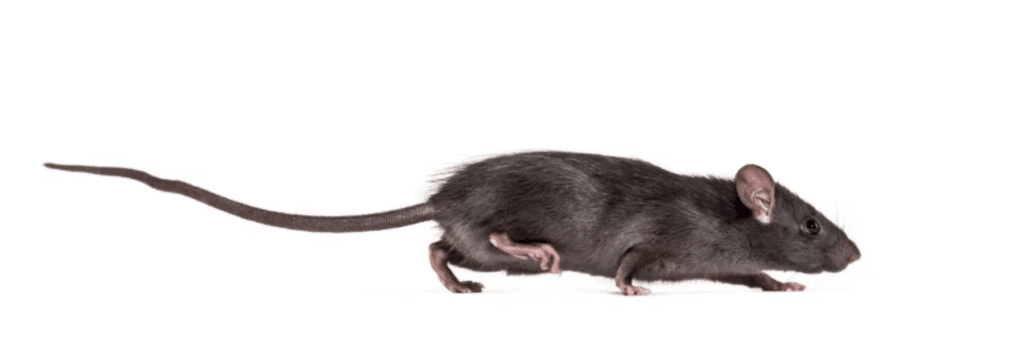
How to Identify: Mice vs Rats
Mice
- Body length ~2.5–4″ (tail not included); slender body; finer droppings (rice-sized).
- Nests in wall voids, attics, basements; uses paper, fabric, insulation.
Rats
- Body length often 9″+; thicker, scaly tail; larger capsule-shaped droppings.
- Burrowers; common around foundations, under debris, in basements and utility chases.
Common signs
- Fresh droppings, greasy rub marks along travel paths, shredded nesting material, gnawing on food packaging, wires, or baseboards, and nighttime scurrying/scratching.
- Mice and rats will be more active during the night. If the majority of the activity is during the middle of the day it could also be Chipmunks.
Disturbing Truths
- Rats and mice are cannibals and will also eat chipmunks.
- 2 Mice in 6 months will turn into 500 mice, they breed every few weeks with litters of 5 or more.
- Mice smell when they die in your walls and it lasts for a week or more. Rats smell for a lot longer and it’s a stronger odor.
- Rats scream as a warning sign to other rats.
- The natural balance: Rats control the mice. Removing rats can lead to more mice. Remove them all and you could see weasels as they feed on rats.
Why Leominster Properties See Rodent Pressure
- Urban density & food availability – Restaurants, dumpsters, and residential refuse create predictable food sources.
- Aging building stock – Foundation cracks, door sweeps past their prime, and utility penetrations provide easy entry.
- Seasonal push indoors – As temperatures drop, rodents seek heat and reliable food, moving into attics, basements, and wall cavities.
- Landscape harborage – Dense shrubs tight to siding, stacked firewood, and debris piles create ideal cover.
Season By Season Control Strategy
Spring – Expect population growth. Focus on exterior sanitation (trash control), vegetation trimming, and sealing new gaps. Set monitors in mechanical rooms and along utility lines.
Summer – Maintain dumpster pads, lids, and pick-up frequency. Continue exclusion (screen vents, seal ¼–½” gaps). Inspect under decks and sheds; relocate wood piles.
Fall (highest risk for indoors) – Install/replace door sweeps; repair thresholds. Seal utility penetrations (A/C lines, cable, gas). Place interior monitors proactively near kitchens, pantries, and basements.
Winter – Increase interior inspections; refresh traps/monitors every 2–4 weeks. Audit food storage (airtight containers). Address any moisture sources in basements.
High Frequency Entry Points in Leominster buildings
- Foundation cracks and settling gaps
- Unsealed pipe/utility penetrations (HVAC, gas, cable, condensate lines)
- Door sweeps and weather stripping with visible light leakage
- Garage door bottom seals and side gaps
- Dryer/attic vents without screens or with damaged louvers
- Gaps at siding to foundation transitions and around sill plates
Exclusion materials: X‑cluder®/steel wool + copper mesh, polyurethane or elastomeric sealants, rodent-proof escutcheons, kick-plates, brush seals, hardware cloth (¼”), and mortar/fast-set cement for masonry.
Health & Safety Considerations
- Rodent urine/droppings can aggravate asthma and allergies; improper cleanup aerosolizes particles.
- Use PPE for cleanup: N95 or better, gloves, and eye protection. Pre-wet droppings with a disinfectant; avoid dry sweeping or vacuuming.
- Secure baits in tamper resistant stations; avoid loose rodenticides in areas accessible to kids, pets, or wildlife.
- In food facilities, follow local health code and maintain documentation (service logs, trend charts, corrective actions).
Integrated Pest Management (IPM): What Effective Control Looks Like
- Inspection & monitoring – Map runways, droppings, rub marks; deploy multi catch traps or snap traps in protected placements; record counts.
- Exclusion – Seal structural gaps; install sweeps, screens, and escutcheons; tighten door and dock seals. Check out our natural treatment guide for mice to rodent proofing.
- Sanitation – Rodent proof storage (sealed containers), nightly surface wipe downs, and scheduled dumpster service; eliminate clutter and harborage.
- Population reduction – Inside: snap traps/multi-catch devices in covered placements; Outside: secured, labeled bait stations where compliant. See our rodent protection and treat service for mice and rodent extermination
- Documentation & trending – Track captures, sightings, and disturbance. Adjust placements based on data, not guesswork.
- Training – Staff briefings on food storage, dock doors kept closed, and work-order reporting for gnaw/entry points.
Residential Home Focus
- Kid/pet safety: Prefer mechanical traps indoors; if bait is necessary, keep stations locked, labeled, and inaccessible.
- Kitchen habits: Store cereals, pet food, and snacks in airtight containers; clean under/behind ranges and fridges monthly.
- Attic/basement: Add door sweeps to bulkhead entries; install screens on attic and gable vents; insulate/cover exposed foam.
Commercial Property Focus
- Restaurants & food retail: Grease control, floor drain maintenance, nightly close-out checklists, and strict dock/dumpster protocols.
- Warehousing/light industrial: Dock plate brush seals, door interlocks, exterior baiting where allowed, and routine perimeter sweeps.
- Multi-family: Building-wide exclusion projects, centralized sanitation rules, and shared monitoring logs to coordinate units.
When to Bring in a Pro like PESTalyix
- Daytime sightings, repeated fresh droppings, gnaw damaged wiring or food packaging, or traps that keep hitting after 7–10 days.
- Complex structures (mixed-use, shared walls, or dumpster pressure).
- Need for regulatory documentation (food code, third‑party audits, housing inspections).
What you should expect from a provider
- Written inspection with photos and prioritized exclusion punch list.
- Site map with device placements and unique IDs.
- Service log with trend data and corrective actions.
- Clear communication on non-chemical controls first; compliant use of rodenticides only where appropriate.
Your DIY Checklist (Print Friendly)
- Seal ¼–½” gaps at utilities, doors, and foundations.
- Install/replace door sweeps and garage bottom seals.
- Trim vegetation 12–18″ off siding; raise shrubs and clear mulch from sill plate.
- Move wood/debris piles 20+ feet from structures.
- Store food (including pet food) in airtight containers; clean crumbs/spills nightly.
- Set monitors/traps along walls, behind/under appliances, and near suspected runways.
- Log sightings/captures weekly; adjust placements based on activity.
- Call or Text PESTalytix, (888)-487-0806
FAQs
Do rodents hibernate?
Nope – Activity may slow in winter, but mice and rats remain active-often indoors.
Is one mouse a big deal?
Yes. Both species reproduce rapidly; acting early prevents population spikes.
What’s better-bait or traps?
Indoors, start with traps to avoid odor and tracking; use tamper‑resistant exterior bait stations where allowed and necessary.
How small a gap can they use?
Mice: about ¼”; rats: ½” or larger. If you see light under a door, assume it’s a problem.
Work with PESTalytix
PESTalytix designs data driven, site specific rodent programs for Leominster homes and businesses. Services include full property inspections, exclusion projects, sanitation coaching, device mapping, and trend reporting.