
Why Worcester County Restaurants Fail Health Inspections
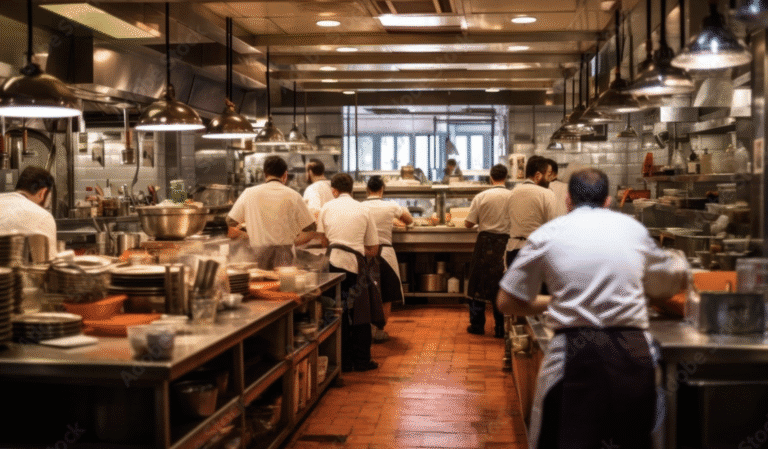
German cockroaches in grease traps, Norway rats in loading docks, and drain flies near dishwashing stations cause most pest violations in Worcester County health inspections.
These pests don’t appear overnight. Cockroach populations double every 28 days. A single pregnant Norway rat produces 84 offspring per year. By the time you see droppings or a roach during service, you’re already weeks behind.
Our sensor network detects pressure building 2-3 weeks before visible activity. That gives you time to respond before the inspector walks in.
Worcester County restaurant challenges:
- Older buildings in downtown Worcester with shared walls between businesses
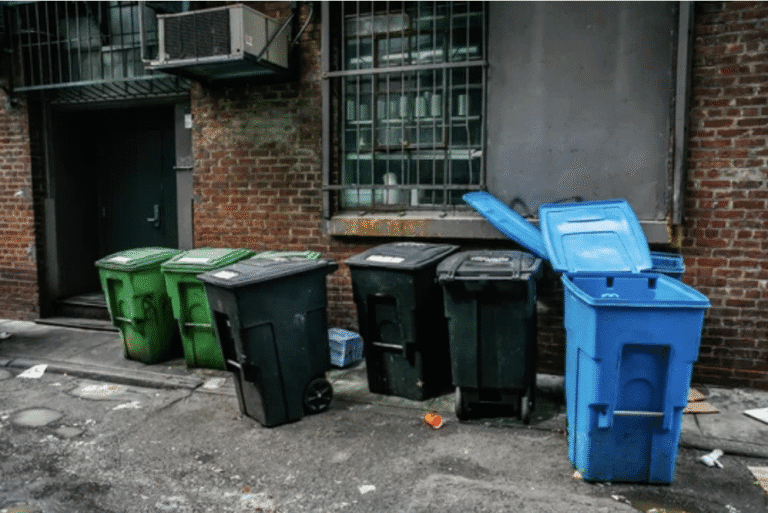
- Alley density in Shrewsbury and Westborough creates rodent pressure
- Seasonal fly pressure peaks July through September
- Grease trap compliance gaps attract drain flies year-round

What We Prevent & Control
Rodents:
- Norway rats (Rattus norvegicus) – loading docks, dumpster pads, basement storage
- Roof rats (Rattus rattus) – ceiling voids, HVAC chases, wall cavities
Cockroaches:
- German cockroaches (Blattella germanica) – grease traps, steam tables, dishwashing areas
- American cockroaches (Periplaneta americana) – floor drains, sewers, boiler rooms
Flies:
- Drain flies (Psychodidae) – floor drains, grease interceptors, mop sinks
- Fruit flies (Drosophila) – bar areas, produce storage, beverage stations
- House flies (Musca domestica) – loading areas, dumpsters, food prep
Birds:
- Prevent nesting
- Perching about customer areas
Other Common Pests:
- Ants (pavement, odorous house, carpenter)
- Stored product pests (Indian meal moths, grain beetles)
- Occasional invaders (crickets, silverfish, centipedes)
- Custom bird control services available
How We’re Different from Monthly “Check-the-Box” Service
Most pest control companies visit on a calendar schedule. They check traps, spray the perimeter, and leave. You have no idea what’s happening between visits. Your pests are our problem and we take full ownership to remove them from your business.
We can use cellular sensors that monitor activity continuously. When a sensor detects pressure above that location’s normal baseline, we get an alert on our phones. We respond based on data, not guessing.
What this means for you:
Traditional monthly service:
- Tech checks traps on the 15th whether there’s activity or not
- You find out about problems when you see a roach during dinner rush
- No visibility between monthly visits
- Documentation is just “service completed” checkmarks
Our monitored service:
- Sensors watch kitchen, storage, and loading areas 24/7
- We know about pressure 2-3 weeks before you’d see evidence
- You access the same activity data we see via customer portal
- Documentation shows exactly when pressure was detected and how we responded
RodentRX
Commercial Grade Monitoring
Custom pricing based on facility size
For high-risk operations: commissaries, multi-location restaurants, facilities with recurring violations, or properties requiring 24/7 documentation.
Everything in Monthly, plus:
✓ Real-Time Sensor Network (Cellular – No WiFi Needed)
✓ Instant Alerts to Your Phone When Pressure Detected
✓ Biweekly Service Visits
✓ Trend Analysis & Predictive Reporting
✓ Station-Specific Baselines (System Learns What’s Normal) ✓ Unlimited Emergency Response
✓ Integration with Property Management Systems
✓ HACCP-Aligned Documentation & Critical Control Point Tracking
That’s the difference between checking traps and responding to alerts.
Integrated Pest Management (IPM) – What It Actually Means for you
IPM isn’t a buzzword. It’s a Massachusetts requirement under 105 CMR 590 for food service establishments.
Here’s how we do it:
Step 1: Inspection We identify what’s attracting pests and where they’re getting in. Grease buildup, water leaks, door gaps, torn screens, missing drain covers.
Step 2: Sanitation & Exclusion We seal entry points with commercial-grade materials. We flag sanitation issues that create pest pressure (standing water, grease accumulation, improper food storage).
Step 3: Monitoring Sensors track activity at high-risk locations. Traps and bait stations are placed based on your floor plan, not scattered randomly.
Step 4: Treatment (Only When Needed) We use EPA reduced-risk products applied to cracks, crevices, and void spaces. Not broadcast spraying that exposes food surfaces.
Step 5: Documentation Every visit generates a timestamped report showing what we found, what we did, and what you need to address (if anything).
This is what health inspectors want to see: a documented process that prevents pests rather than just killing them after they’re established.

IPM Certified

Service Documentation

After Hours
Scheduling

Active
Monitoring
Local Knowledge – Central Mass Restaurant Specifics
Downtown Worcester Multi-Story Buildings: Shared walls between restaurants create rodent highways. We coordinate with neighboring businesses when needed and seal vertical chase penetrations that connect floors.
Shrewsbury & Westborough Strip Mall Restaurants: Shared dumpster pads and grease trap access create communal pest pressure. We focus on perimeter exclusion and loading dock sealing to prevent infiltration.
Leominster Food Trucks & Mobile Vendors: Overnight storage locations need rodent monitoring. We provide portable sensor units and mobile device management for seasonal operations.
Historic Worcester Buildings: Fieldstone foundations, floor drain retrofits, and aging plumbing create unique entry points. We use thermal imaging to find gaps that visual inspection misses.
Emergency & Priority Response
We provide same-day dispatch when:
- Health inspector is on-site or scheduled within 48 hours
- Pest is visible in dining room or customer area
- Infestation discovered during prep or service
- Third-party audit scheduled (SQF, BRC, AIB)
After-hours service available:
- Before-open appointments (3:00 AM – 7:00 AM)
- After-close service (6:00 PM – 12:00 AM)
- Weekend service
One-Time, Monthly, and Complete Service Options
Most monthly service and all the below benefits start at $250 per month. Discounts for multiple locations under a single service contract.
Benefits include:
✓ Monthly Comprehensive Inspection & Service ✓ Device Map + Activity Monitoring ✓ 1 Emergency Visit Per Month (No Additional Charge) ✓ Discrete Service (Unmarked Vehicles) ✓ NDA-Level Privacy (We Never Identify Client Properties) ✓ After-Hours Scheduling Available ✓ Audit-Ready Documentation (105 CMR 590 Compliant) ✓ Customer Portal Access (View Service History 24/7)
One-Time Service
All of the above benefits just a single service that you need.
Core Monthly Service
Pricing starts at $250 per month for complete service.
Monthly + Monitoring
You get a full service and monitoring with our services on standby to take action prior to you noticing there’s a problem.
Staff Training & BOH/FOH Alignment
We provide training sessions for your team:
For kitchen staff:
- How to spot early warning signs (droppings, gnaw marks, grease smears)
- Where pests hide in commercial kitchens
- What to report and how to report it
For FOH managers:
- How to handle customer sightings professionally
- Emergency contact protocol
- What documentation to request from us for guest relations
For ownership:
- How to read service reports and trend data
- What health inspectors look for in pest control documentation
- How to access your monitoring dashboard
Training keeps everyone aligned so pest issues get reported immediately instead of discovered during inspection.
Frequently Asked Questions
Do you service all of Massachusetts?
We focus on Worcester County to provide premium service: Worcester, Shrewsbury, Leominster, Westborough, Auburn, Holden, Grafton, and surrounding towns. After-hours appointments available 7 days a week.
How often should a restaurant have pest control?
Monthly service is the legal minimum for most Massachusetts restaurants under 105 CMR 590. High-risk kitchens (commissaries, seafood restaurants, multi-location operations, facilities with past violations) benefit from biweekly visits or continuous sensor monitoring. We customize frequency based on your inspection history and pest pressure.
What pests are included in monthly service?
Rodents, German cockroaches, American cockroaches, drain flies, fruit flies, house flies, ants, and stored product pests (moths, beetles) are included in standard programs. Specialty issues like bed bugs in staff housing or heavy remediation after extended closures may require scoped projects.
What happens if the health inspector finds pests during an inspection?
If you’re under active inspection, we provide same-day emergency dispatch. We document the emergency response, treatment applied, monitoring deployed, and follow-up schedule. This creates an audit trail showing you took immediate corrective action. We also provide a letter for the health department confirming service, treatment methods, and ongoing monitoring.
How do you pass a health inspection with pests?
We can’t pass the inspection for you, but we provide the documentation inspectors want to see. Every visit includes timestamped service reports, corrective action logs, and trend analysis showing pressure is controlled. If sensors detect activity between visits, we respond before the inspector arrives. Our reports align with 105 CMR 590 requirements and municipal health department expectations.
Are there eco-friendly or low-chemical options?
Yes. IPM requires sanitation and exclusion before chemical treatment. We use EPA reduced-risk products applied to cracks, crevices, and void spaces (not broadcast spraying). Gel baits for cockroaches, mechanical traps for rodents, and sanitation-focused drain fly control minimize chemical use while maintaining compliance.
What type of monitoring is available?
Basic monitoring: Traps, bait stations, and glue boards checked during monthly visits.
Advanced monitoring: Cellular sensors track rodent activity, insect activity, humidity, and temperature 24/7. Sensors send data to our monitoring platform and alert us when activity exceeds normal baselines. No WiFi required. Works in walk-in coolers, basements, and loading areas.
Do you provide documentation for third-party audits (SQF, BRC, AIB, HACCP)?
Yes. We provide audit-ready documentation including:
- Service visit logs with timestamps and technician signatures
- Device location maps (floor plans showing trap/sensor placement)
- Pest activity trend reports
- Corrective action records
- Product labels and safety data sheets (SDS)
- Certification of licensed applicators
Reports are organized to align with HACCP critical control points and third-party audit requirements.
Can you service restaurants after hours or before opening?
Yes. We schedule appointments before opening (5:00 AM – 9:00 AM) or after closing (9:00 PM – 11:00 PM) to avoid disrupting service. Weekend appointments available for Sunday brunch prep. Discrete unmarked vehicles for reputation protection.
What’s the difference between your service and national pest control companies?
National companies check traps on a calendar whether there’s activity or not. Their techs follow standardized routes and rarely spend more than 20 minutes per location.
We use sensors that watch activity continuously. We respond when there’s actual pressure, not just check boxes on a schedule. Our founder has 20 years of data analytics experience and built a monitoring platform that detects pressure 2-3 weeks before you’d see visible evidence.
You get transparency: access to the same activity data we see, detailed reports showing what we found and what we did, and a local owner who answers the phone.
Do you train our staff on pest prevention?
Yes. We provide 15-minute training sessions for kitchen staff (how to spot early warning signs), FOH managers (how to handle customer sightings), and ownership (how to read service reports and trend data). Training keeps everyone aligned so issues get reported immediately instead of discovered during inspection.