
The Reality of Backyard Chicken Keeping in Central MA
You built the coop, bought quality feed, and your hens were laying beautifully. Then you noticed:
- Feed disappearing overnight (rats eating 2-3 pounds per night)
- Hens refusing to roost (mites in cracks driving them to floor)
- Pale combs and reduced laying (mite infestation causing anemia)
- Scratching around coop perimeter (predators testing for weak points)
- Flies swarming manure (attracting more pests, annoying neighbors)
You tried hardware cloth, diatomaceous earth, moving the feeder inside at night. The problems keep coming back because backyard coops attract pests in ways most pest control companies don’t understand.
Why Chicken Coops Are Pest Magnets
Feed Storage = Rodent Buffet
50-pound feed bags in metal cans still let scent escape. Rats smell it from 300 feet away. They chew through plastic bins, metal seams, even wood walls to reach it.
Warmth + Shelter = Winter Harborage
Your insulated coop stays 20-30°F warmer than outside temps. Rodents nest in wall voids, under floors, inside nesting boxes November through March.
Moisture + Manure = Fly Breeding
Wet bedding creates perfect fly breeding habitat. One female fly lays 500 eggs. That’s 500 flies in 7-10 days if conditions are right.
Ventilation Gaps = Predator Access
Vents sized for airflow (2-3 inches) are also sized for weasels, rats, and snakes. Predators test every gap, every night, looking for weakness.
Mites Love Wooden Roosts
Northern fowl mites hide in wood cracks during the day, feed on hens at night. You won’t see them until hens are visibly pale and egg production drops.
Rats Eat Chicken Poop
As nasty as it sounds, rats will eat chicken poop. Just like a dog they smell the protein in it. You also get mice which will get eaten by rats when they are starving. Rats are the ultimate scavenger when it comes to survival.
What Generic Pest Control Gets Wrong
Problem Zero: Unless they own chickens or livestock they have no idea how to treat it and its not easy. We’ve owned chickens for over 20 years in Sterling. Deal with everything from rats, mice, Weasels, bears, coyotes, and bobcats.
Problem #1: They Use Products Unsafe for Poultry Standard rodenticides can poison chickens if they eat a dead rat or contaminated feed. Broad-spectrum insecticides leave residues on eggs and in meat.
Problem #2: They Don’t Understand Coop Behavior Chickens scratch, peck, and dust bathe. Any treatment applied to surfaces needs to account for this. Most pest techs don’t know poultry habits.
Problem #3: They Treat Symptoms, Not Causes Setting traps inside the coop catches rats already in the space. Doesn’t stop the next ones from entering through the same gaps.
Problem #4: They Ignore Seasonal Patterns Mite populations explode in humid summer months. Rodent pressure spikes October-November when outdoor food sources disappear. Generic quarterly service doesn’t match poultry pest cycles.
Our Poultry-Safe Approach
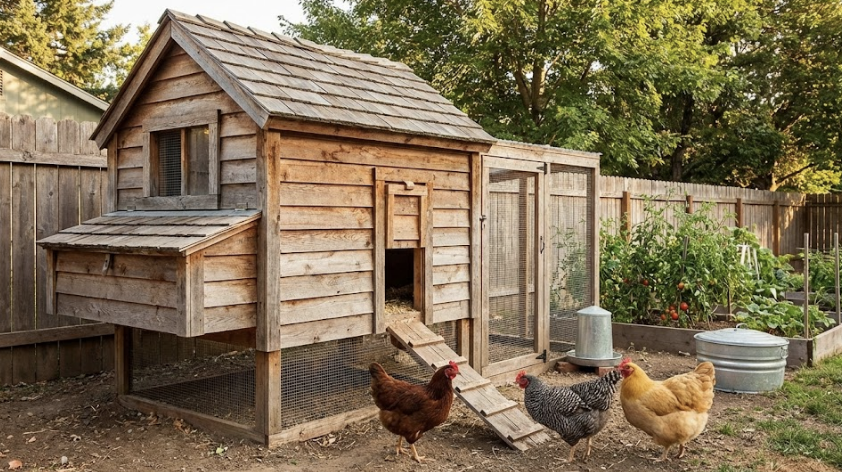
Phase 1: Coop Security Assessment
What We Inspect:
- Feed storage (metal cans with gasket lids, elevated off ground?)
- Structural gaps (ventilation openings, door seals, floor perimeter)
- Bedding moisture (is manure composting inside creating humidity?)
- Roost construction (wood types that harbor mites)
- Perimeter vegetation (tall grass/brush giving rodents cover to approach)
- Water sources (leaking waterers creating damp substrate)
What We Identify:
- Current pest pressure (droppings, rub marks, mite evidence on birds)
- Entry points rats and predators are using
- Conditions attracting flies and mites
- Seasonal timing (are we heading into rodent pressure season?)
Outcome: You get a detailed report showing exactly where pests are getting in, what’s attracting them, and priority fixes.
Phase 2: Poultry-Safe Treatment
For Rodents (Rats/Mice):
- Exterior bait stations only (never inside coop where chickens access)
- Tamper-proof locking stations anchored to ground
- EPA-approved rodenticides with bittering agents (chickens won’t eat)
- Snap traps in protected boxes along rat runs outside coop
- Feed removal at night during heavy pressure periods
For Mites (Northern Fowl Mites, Red Mites):
- Poultry dust (permethrin) applied to roost cracks and nesting boxes
- Diatomaceous earth (food grade) in dust bath areas
- Coop cleaning protocol to remove mite harborage
- Hen treatment if infestation is severe (coordinate with vet)
For Flies:
- Larvae control in manure (beneficial nematodes or larvicides)
- Adult traps positioned outside coop (not where chickens access)
- Manure management recommendations (composting, removal frequency)
For Predators:
- Hardware cloth reinforcement (1/2 inch or smaller mesh)
- Dig barriers (wire buried 12 inches deep along perimeter)
- Vent covers (predator-proof screening)
- Door gap sealing (weather stripping, bottom sweeps)
Phase 3: Exclusion & Hardening
What We Seal:
- Floor perimeter gaps (rodents dig under walls)
- Ventilation openings larger than 1/2 inch
- Door frames with daylight showing
- Windows/pop doors with worn seals
- Electrical conduit entries
- Gaps around nesting box access doors
Materials We Use:
- Hardware cloth (galvanized, 1/2 inch or 1/4 inch mesh)
- Construction-grade sealant (exterior rated)
- Weather stripping (bottom sweeps, door seals)
- Metal flashing (around base where rats chew wood)
What We Don’t Do: We don’t do major construction or foundation work. If your coop needs structural repairs (rotted sills, sagging roof), we’ll identify it but you’ll need a contractor.
Phase 4: Ongoing Monitoring (Optional)
Monthly Service Includes:
- Bait station inspection and replenishment
- Perimeter check for new digging or entry attempts
- Seasonal adjustments (mite pressure in summer, rodent pressure in year)
- Early detection before problems become visible
Why Ongoing Service: Pest pressure isn’t static. October brings more rodents. June brings mites. One-time treatment eliminates current problems. Ongoing monitoring prevents the next wave.
Worcester County Specifics
Sterling/Holden/Princeton Properties: Woodland edge locations mean higher predator pressure. Weasels, fishers, raccoons, and hawks are active year-round. Coops need 1/2-inch hardware cloth (not chicken wire) and buried dig barriers. Wood-frame coops common in this area develop gaps from seasonal expansion and contraction. We seal these before rodents exploit them.
Triple-Decker Properties with Coops: Worcester multi-family yards often have backyard coops squeezed into small spaces. Rodent pressure from adjacent buildings spills into the coop area. We coordinate perimeter defense around the entire property, not just the coop footprint.
Rural Route 12 Corridor: Properties bordering woods (West Boylston, Sterling, Princeton) deal with both field rodents and tree-dwelling predators. Flying squirrels, raccoons, and fishers can climb. Exclusion needs to address overhead access points, not just ground-level gaps.
Winter Considerations: Worcester County winters (sustained temps below 20°F) drive rodents indoors aggressively. Coops with supplemental heat are especially attractive. We recommend November assessment before the October-January rodent rush peaks.
Frequently Asked Questions
Q: Are your treatments safe for my chickens and their eggs?
Yes. We only use products approved for use in poultry environments:
- Rodent bait stations are exterior only, locked, tamper-proof
- Poultry dust for mites is permethrin-based, labeled for layer hens
- Diatomaceous earth is food-grade
- We never spray broad-spectrum insecticides where chickens access
If you’re selling eggs to neighbors or at farmers markets, our treatments won’t create residue concerns.
Q: Will rodent bait poison my chickens if they eat a dead rat?
Modern rodenticides use bittering agents that chickens find unpalatable. We also use exterior-only placement so chickens never access bait directly. The bigger risk is secondary poisoning (chicken eats poisoned rat). We can use snap traps as primary method inside 10 feet of coop to avoid this entirely.
Q: How do I know if my hens have mites?
Check roosts at night with a flashlight. Northern fowl mites are tiny (1mm), dark, and move when disturbed. Check hens’ vent area and under wings. You’ll see mites clustered in feathers. Birds will have pale combs, reduced laying, and reluctance to roost.
If you’re unsure, we can inspect during assessment.
Q: Do I need to remove my chickens during treatment?
No. Treatments are applied when birds are out ranging during the day. Dust applications in roosts dry within 2 hours. Bait stations are exterior and locked. Birds stay in their routine.
Q: Can you guarantee predators won’t kill my chickens?
We can’t guarantee against aerial predators (hawks) or extreme digging predators (coyotes), but we can eliminate 90%+ of vulnerability from rats, weasels, raccoons, and snakes through proper exclusion. Hardware cloth and dig barriers work.
Q: How much does chicken coop pest control cost?
One-time service: $200-400 depending on coop size, pest pressure, exclusion work needed
Monthly monitoring: $75/month (includes exterior rodent stations, seasonal mite/fly management, perimeter checks)
Major exclusion projects (complete coop hardening): $400-800
Free assessment. We’ll give you exact pricing after seeing your setup.
Q: Do you serve small backyard flocks or only commercial operations?
We serve backyard hobbyists with 4-15 hens all the way up to small commercial egg operations with 50+ birds. Most of our chicken customers have 8-15 bird backyard flocks in Sterling, Worcester, and Holden.