

We’ve spent 20 years working with data and crawling through basements, so we know what actually works. These guides are built for Worcester County homes and businesses, from Sterling’s old foundations to Worcester’s triple-deckers. You’ll find real answers about local pests, seasonal patterns, and the building quirks that make Central Massachusetts unique. No fluff, just helpful information you can use.
Quick Section Jump List
Local Town Pest Guides – If you live or are moving into on our service area we have guides written specifically for you. From the top pests to local regulations we have you covered.
Local Pest Guides – Info to help you control each specific pest at home and when to call us for professional help.
DIY Pest Guides – Want to try pest control yourself, here you will find extra info on what to do like our spicy pepper extract for rodent control.
Frequently Asked Pest Questions – We have listed the most common questions per
Keep Scrolling to See Everything
High Level Categories
Specific Topics
Ants Auburn MA Berlin MA Bolton MA Boylston MA Carpenter Ants Carpenter Bees Clinton MA Cockroaches Fall Invaders Fleas Flies Gardner MA Grafton MA Groton MA Guides Harvard MA Holden MA Hornets Hubbardston MA Hudson MA Lancaster MA Leicester MA Leominster MA Lunenburg MA Marlborough MA Mice Millbury MA monitoring Mosquitoes Northborough MA Northbridge MA Paxton MA Princeton MA Rats Rodents Rutland MA Shrewsbury MA Sterling MA Termites Westborough MA West Boylston MA Westminster MA Wood Destroying Insects Worcester MA
Local Expert Service Area Guides
Pest Control in Boylston MA: Your Local Expert Guide
Seeing pests in your Boylston property? You’ll learn why Wachusett Reservoir and Tower Hill Botanic Garden bring pests year-round, which ones affect reservoir-view and inland homes, and when pest activity changes. Find out what inspection shows and when to get help.
Pest Control in Clinton, MA: Your Complete Guide
Pest problems in your Clinton property? You’ll learn why the reservoir gateway and Nashua River corridor create year-round pressure, which pests target mill housing and multi-family buildings, and how DCR regulations affect treatment options. Get local expertise for homes and businesses.
Pest Control in Harvard, MA: Your Complete Guide
Seeing pests in your Harvard property? You’ll learn why Bare Hill Pond and Oxbow Wildlife Refuge bring pests year-round, which ones affect lakefront and inland homes alike, and when pest problems change. Find out what inspection shows and when to get help.
Pest Control in Holden MA: Your Local Expert Guide
Seeing pests in your Holden property? You’ll learn why Quinapoxet River and Trout Brook Conservation bring pests year-round, which ones affect homes near water and conservation land, and when problems get worse. Find out what inspection shows and when to get help.
Pest Control in Hubbardston MA: Your Complete Guide
Seeing pests in your Hubbardston property? You’ll learn why Ware River State Forest and farm country bring pests year-round, which ones show up in rural homes and outbuildings, and when problems get worse. Find out what inspection shows and when to get help.
Pest Control in Hudson, MA: Your Complete Guide
Pest problems in your Hudson property? Learn why Lake Boon, Fort Meadow, and the Assabet River corridor create year-round pressure, which pests target lakefront cottages and residential neighborhoods, and how water proximity affects treatment options.
Pest Control in Lancaster MA: Your Complete Guide
Seeing pests in your Lancaster property? You’ll learn why Bolton Flats and Nashua River corridor bring pests year-round, which ones affect historic and newer homes alike, and when problems get worse. Find out what inspection shows and when to get help.
Pest Control in Leicester MA: Your Complete Guide
Seeing pests in your Leicester property? You’ll learn why Rochdale Brook and surrounding neighborhoods bring pests year-round, which ones show up from Cherry Valley to Rochdale, and when problems get worse. Find out what inspection shows and when to get help.
Pest Control in Millbury MA: Your Complete Guide
Seeing pests in your Millbury property? You’ll learn why Blackstone River and Singletary Lake bring pests year-round, which ones show up from Armory Village to the lake, and when to expect them. Find out what inspection shows and when to get help.
Pest Control in Northborough, MA: Your Complete Guide
Seeing pests in your Northborough property? You’ll learn why Assabet Reservoir and Route 9 corridor bring pests year-round, which ones affect homes near water and commercial areas, and when problems get worse. Find out what inspection shows and when to get help.
Pest Control in Northbridge MA: Your Complete Guide
Seeing pests in your Northbridge property? You’ll learn why Blackstone River and mill village history bring pests year-round, which ones show up from Whitinsville to Linwood, and when to expect them. Find out what inspection shows and when to get help.
Pest Control in Paxton, MA: Your Complete Guide
Seeing pests in your Paxton property? You’ll learn why Moore State Park and rural countryside bring pests year-round, which ones affect homes near conservation land, and when pest problems change. Find out what inspection shows and when to get help.
Pest Control in Westminster MA: Your Complete Guide
Seeing pests in your Westminster property? You’ll learn why Wachusett Mountain and state forest bring pests year-round, which ones show up from mountain slopes to lake areas, and when problems get worse. Find out what inspection shows and when to get help.
Pest Control in Worcester County, MA: Your Complete Town-by-Town Guide
Worcester County stretches from the Blackstone Valley to the slopes of Wachusett Mountain. Every town faces different pest pressure based on its water features, forest cover, and housing stock. This guide maps out what you’re dealing with, why, and where to find local help.














Central Mass Pest Guides
Carpenter Ants
Carpenter ants threaten your property’s value. Learn to identify, prevent, and manage these wood-destroying insects…
Carpenter Bees
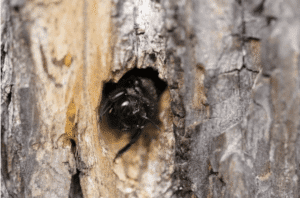
Carpenter bees have shiny, black abdomens without the fuzzy yellow hair that bumblebees carry. Males…
Controlling Flies in Your Worcester County Home
Finding sluggish flies on your windows every fall and warm winter days? Learn why cluster flies keep returning to your Worcester County home, understand how they differ from house flies, and discover what actually stops them. Treats the source in wall voids. Seals entry points for lasting relief.
Stink Bugs
What is this Stinky Bug Brown Marmorated Stink Bug (BMSB) – Halyomorpha halys An invasive…


Do It Yourself (DIY) Pest Control
Hot Peppers for Rodent Control
The Battle Against Rodents and the Rise of Natural Solutions Rodents bring stress. When mice or rats move in, they…
Fumigating Your Home for Mice
Fumigating your home for mice is an extreme but powerful solution for serious infestations that threaten health and property. Understanding…
15+ Powerful Home Remedies for Preventing Mice at Home (Naturally & Effectively)
Few things are as unsettling as spotting a mouse darting across your kitchen floor. These tiny invaders are more than…
Industry Suppliers
Industry service and product suppliers



Frequently Ask Pest Questions
Mice
How do I know if mice are in my walls?
You’ll hear scratching or scurrying sounds, usually at night when they’re most active. The noise often comes from specific spots, like behind baseboards or in ceiling corners. You might also notice a musty smell or see droppings along walls and in cabinets. In Worcester County homes with fieldstone foundations, mice travel through wall voids between floors, especially in triple-deckers with balloon framing.
For detailed prevention strategies specific to Sterling and Worcester County homes, see our guide: Controlling Mice in Your Worcester County Home
Can mice chew through electrical wiring and start a fire?
Yes. Mice chew constantly to keep their teeth from overgrowing, and they’ll gnaw on electrical wires, especially in attics and wall voids. The exposed wiring can spark and ignite insulation or nearby materials. This is a real fire hazard, not just a scare tactic. If you’re hearing activity in walls near outlets or seeing flickering lights, get an inspection immediately.
Is the landlord responsible for mice in Massachusetts?
Yes, under MA State Sanitary Code 105 CMR 410.550. Landlords must keep properties free from rodent problems and seal exterior entry points. Tenants are responsible for keeping things clean (food storage, trash), but structural gaps and outside sealing are the landlord’s job. In apartment buildings, the landlord handles building-wide problems even if one person’s habits attracted the mice.
How often should a restaurant have pest control service?
Massachusetts Food Code says monthly inspections minimum. Restaurants with previous violations or high-risk conditions (near dumpsters, older buildings, next to other food businesses) should have service every two weeks. The key is watching between visits. Traditional monthly visits can miss activity that builds up in weeks two and three, which is why sensor-based monitoring catches problems before health inspectors do.
Rats
Can rats come up through the toilet?
It’s rare but possible. Rats are excellent swimmers and can hold their breath for three minutes. If sewer lines have breaks or the toilet isn’t used regularly (vacation home, basement bathroom), rats can navigate the plumbing. The water in the bowl usually stops them, but if it evaporates or the seal is broken, they can emerge. More common entry points are gaps around pipes under sinks and where utilities enter the foundation.
What do I do if a rat dies under the floor or in the wall?
The smell is awful and can last 1-2 weeks as it decomposes. You can’t speed it up. Open windows to air things out, use odor neutralizers (not air fresheners, which just mix with the smell), and wait. If you can reach the dead rat through a crawlspace or removable panel, take it out using gloves and a plastic bag. If you truly can’t get to it, you’re stuck waiting. This is why we focus on sealing entry points so rats never get into walls in the first place.
For complete rat control strategies, see: Controlling Rats in Your Worcester County Home
How do I report a restaurant for rats?
Contact Worcester County Health Department or your local Board of Health. Give them the restaurant name, address, and specific details (saw rats in dining area, dumpster area, etc.). Include dates and times if possible. You can report anonymously. Health departments take rodent complaints seriously and typically inspect within 3-5 business days. Take photos if it’s safe to do so.
What is the landlord’s responsibility for rat problems in Massachusetts?
Landlords must get rid of rat problems and prevent them from coming back under MA Sanitary Code. This includes sealing exterior gaps, keeping dumpster areas maintained, and fixing foundation cracks. If rats are coming from neighboring properties, the landlord must still seal your building to keep them out. Tenants can’t be charged for treatment if the rats got in because of structural problems the landlord failed to fix.
Termites
What are the signs of termites in a house?
Mud tubes on foundation walls (pencil-width tunnels termites build for protected travel), discarded wings near windows in spring (March through June in Worcester County), wood that sounds hollow when tapped, and sagging floors or doors. You might see swarmers (flying termites) inside during the day. In Sterling and Worcester County, look for activity around moisture-damaged wood near fieldstone foundations, where condensation creates perfect conditions for them.
Learn more about termite detection specific to Worcester County: Controlling Termites in Your Worcester County Home
Do I need a termite inspection before buying a home?
Most mortgage lenders require it for homes built before 1978 or with known termite history. Even if not required, it’s worth the $200-350 investment. Massachusetts has a lot of Eastern Subterranean Termites, and Worcester County’s older houses are particularly vulnerable. An inspection finds active problems and spots conditions that attract termites, like moisture issues and wood touching soil.
What does a termite inspection for commercial property include?
A commercial inspection covers the entire building, crawlspaces, basements, and outside perimeter. Inspectors check for active termites, previous damage, mud tubes, moisture conditions, and wood touching soil. You’ll get a Wood Destroying Insect report that’s needed for most commercial sales. For warehouses and apartment buildings, inspections include common areas, mechanical rooms, and outside loading docks where activity often starts.
Are pre-construction termite treatments required for commercial buildings?
Not required by Massachusetts building code, but smart to do for new construction on sites with termite history or high water tables. Pre-construction treatments create a chemical barrier in the soil before the foundation is poured. This is way cheaper than treating an active problem later. Many commercial builders include it as standard practice to protect their investment and avoid tenant problems down the line.
Carpenter Bees
Do carpenter bees cause damage to wood?
Yes, but it’s gradual. Female carpenter bees drill 1/2-inch diameter tunnels into untreated wood (decks, eaves, trim boards) to lay eggs. One bee makes limited damage, but they return to the same spots year after year, and their offspring expand the tunnels. Over 5-10 years, the tunnels weaken the wood. Woodpeckers then attack the wood to eat bee larvae, causing even more damage. The stains you see on siding are from bee droppings.
For prevention and treatment specific to Worcester County properties: Controlling Carpenter Bees in Your Worcester County Home
Will carpenter bees come back every year?
Yes. Female carpenter bees return to their birth tunnels to nest and lay eggs. Even if you kill the bees, new ones will find the existing holes because the scent attracts them. The solution is treating the tunnels, then sealing them with wood filler or dowels. Just plugging the holes without treating lets larvae mature inside and drill new exits. Painting or staining wood helps keep them away since they prefer untreated, bare wood.
Do carpenter bees damage commercial building structures?
They target the same areas in commercial buildings: untreated wooden trim, eaves, pergolas, and deck railings. The damage builds up over time. A single season won’t hurt anything, but 3-5 years of activity in support beams or roof structures can create problems. Warehouses with exposed wooden rafters and restaurants with outdoor pergolas get hit particularly hard. Treating and sealing early prevents expensive repairs later.
How do you prevent carpenter bees from returning to decks and outdoor structures?
Paint or stain all exposed wood. Carpenter bees strongly prefer untreated, weathered wood. Fill existing holes with wood putty or dowels after treating the tunnels with insecticidal dust. Replace damaged boards if tunnels have made them weak. Install vinyl or composite trim where bees keep coming back. Some commercial properties use aluminum or vinyl covering over vulnerable wooden trim to eliminate the target completely.
Flies
Why do I have flies in my house in winter?
Those are cluster flies, not house flies. They hide in wall voids and attics during fall, then wake up on warm winter days when sun heats south-facing walls. They’re attracted to light and end up at windows trying to get out. They don’t breed indoors and they’re not the kind of flies that like garbage. They’re parasites of earthworms that sleep in buildings for warmth. Sealing gaps in siding and attic vents in fall keeps them from getting in.
Complete fly control strategies: Controlling Flies in Your Worcester County Home
How do I get rid of cluster flies in my window?
Vacuum them up. They’re slow-moving and easy to catch. Fly strips work but fill up fast when you have hundreds. The real solution is sealing entry points in fall before they come inside. Look for gaps around windows, soffits, and siding on the sunny side of your house. Cluster flies return to the same spots year after year, so if you had them last winter, they’ll be back unless you seal things up.
How do you control drain flies in a commercial kitchen?
Drain flies breed in the organic buildup inside floor drains and grease traps. Pouring bleach down drains doesn’t work because it doesn’t remove the sludge where larvae live. Use drain brushes and enzymatic cleaners to remove the biofilm. Bio-enzymatic drain cleaners break down organic matter over 7-10 days. Treat drains every night after closing. For grease traps, get them professionally cleaned every 30-60 days to prevent fly breeding.
What causes fruit flies in restaurants and bars?
Overripe fruit, dirty drains, spilled beer or soda, and trash that isn’t emptied daily. Fruit flies breed in anything that’s fermenting. One banana peel in a trash can makes hundreds of flies in a week. Bars have problems with beer taps that aren’t cleaned, floor mats under soda machines, and bar fruit that sits out too long. The solution is aggressive cleaning, especially around drink stations and drains, plus keeping fruit in coolers.
Ants
Why do ants keep coming back after I spray them?
You’re killing the workers you see, but the queen and nest are somewhere else (often in a wall void or outside under landscaping). The colony keeps sending out new workers. Spraying the trail just scatters them and can cause the colony to split into multiple nests, making the problem worse. The solution is using gel baits that workers carry back to the queen. It takes 5-7 days to work, but it kills the entire colony.
For complete ant control methods: Controlling Ants in Your Worcester County Home
How do I know if I have termites or carpenter ants?
Carpenter ants are black, 1/2 inch long, and you’ll see them walking around (active day and night). Termites are white or translucent, smaller, and you rarely see them because they stay hidden in wood or mud tubes. If you see winged insects in spring, look at the wings: termite wings are equal length, ant wings have large front wings and small back wings. Carpenter ants leave sawdust piles under damaged wood. Termites leave mud tubes on foundation walls.
Is the landlord responsible for ant problems?
It depends. If ants are getting in through structural gaps (foundation cracks, gaps around pipes), that’s the landlord’s responsibility. If they’re coming in because of tenant cleaning issues (food left out, dirty dishes, unsealed trash), the tenant is responsible for treatment. In apartment buildings where ants are traveling between units through shared walls, landlords typically handle it as a building-wide issue even if one person’s habits attracted them initially.
What do restaurants need to do about ants for health inspections?
You need to identify what kind of ants you have, document where they’re getting in and what’s attracting them, have cleaning procedures in place, and keep records of treatments. You have to show that you’re using the least-toxic methods first (baits, not spraying everywhere). Write down all pest sightings, treatments, and follow-up checks. Health inspectors want to see that you’re staying ahead of problems, not just fixing violations.
Cockroaches
Can cockroaches cause asthma in children?
Yes. Cockroach allergens (from droppings, shed skins, and spit) are a major asthma trigger, especially in kids. The allergens get into the air and make breathing problems worse. Studies show that cockroach exposure is linked to worse asthma in city areas. If your child has asthma and you have roaches, professional treatment is a health priority, not just a comfort issue.
Learn about roach control specific to Worcester County: Controlling Cockroaches in Your Worcester County Home
Do roaches crawl into ears at night?
It’s rare but it happens. Roaches like warmth and moisture, and ear canals have both. If you have a roach problem and sleep near where they’re active, there’s a small risk. The bigger concern is them walking over food surfaces and spreading bacteria. If you’re seeing roaches in bedrooms, the problem is severe and you need professional help immediately.
Can a tenant break their lease for roaches in Massachusetts?
Yes, if the landlord doesn’t fix a roach problem after being told in writing. Roaches violate the law that says housing must be livable. The tenant must tell the landlord in writing and give reasonable time (typically 14-30 days) for treatment. If the landlord doesn’t do anything, the tenant can hold back rent, pay for treatment and subtract it from rent, or break the lease without penalty. Take photos and keep copies of all letters.
What is the restaurant cockroach control protocol?
Health code requires immediate action for any roach sighting. The steps are: write down when and where you saw it, call your pest control company for emergency treatment within 24 hours, deep clean the affected area, look for entry points and seal them, and review cleaning procedures with staff. For German cockroaches (the small brown ones common in kitchens), gel baiting plus treating cracks is the standard. You’ll need follow-up checks every 7-14 days until they’re gone.
Fleas
Can fleas live in carpet without pets?
Yes, for a while. Adult fleas need blood to reproduce, but larvae can survive in carpet fibers eating dead skin cells and pet dander left behind. If a previous tenant had pets, fleas can stay dormant for months waiting for a host. When you move in, vibrations and the CO2 from your breathing triggers them to wake up. This is why people who move into empty apartments sometimes get flea bites even without pets.
For complete flea control methods: Controlling Fleas in Your Worcester County Home
Why am I getting bitten if I don’t have pets?
Fleas hitched a ride on your clothing, came from a previous tenant’s problem, or wildlife (squirrels, raccoons, mice) in your attic or crawlspace is hosting them. Fleas drop off animals and their eggs fall into cracks and carpeting below. When the wildlife leaves or is removed, hungry fleas look for the next available warm body: you. Check your attic for signs of wildlife. Treat both the flea problem and the wildlife entry points.
What are the requirements for flea treatment in rental properties?
Landlords must treat flea problems in empty units before new tenants move in. If fleas show up during a tenancy, who pays depends on the source. If the tenant has pets and brought fleas in, they pay for treatment. If fleas were there from previous tenants or from wildlife in the building, the landlord pays. The landlord is responsible for treating common areas (hallways, basements) where fleas spread between units in apartment buildings.
What is the landlord’s responsibility for fleas in Massachusetts?
Under MA Sanitary Code, landlords must provide livable housing free from insect problems. If a tenant reports fleas and the source is from previous tenants, wildlife in the building, or shared spaces, the landlord must arrange and pay for treatment. Tenants with pets typically sign lease agreements accepting responsibility for pet-related pest issues, but landlords can’t refuse to fix problems that affect whether the place is livable, regardless of the source.
Ticks
Can you get Lyme disease from a tick bite you didn’t feel?
Yes. Deer ticks (blacklegged ticks) are tiny. The nymph stage is the size of a poppy seed, and their bite doesn’t hurt. You won’t feel them attach. Lyme disease usually requires 24-48 hours of attachment to spread, but some people get infected faster. In Worcester County, tick populations are high because of deer and properties near woods. Check yourself and kids after being outside, especially in tall grass or wooded areas. Pay attention to hidden spots: behind knees, under arms, hairline, groin.
Complete tick prevention strategies: Controlling Ticks in Your Worcester County Home
Are tick tubes worth the money?
They help, but they’re not a complete solution. Tick tubes contain cotton treated with permethrin. Mice take the cotton for nesting material, which kills ticks feeding on the mice. Since mice are a primary host for baby ticks, this reduces tick populations. They work best when combined with yard treatments and habitat changes (keeping grass short, removing leaf piles). One tube per quarter-acre, placed in early spring and again in late summer, shows the best results.
What does tick control for campgrounds involve?
Treating wooded trails, high-traffic areas, and campsite edges with barrier sprays. Focus on the spots between mowed grass and woods where ticks hang out the most. Post signs warning guests to check for ticks, give out information about Lyme disease, and keep landscaping maintained (short grass, wood chip borders around campsites). Some campgrounds offer free tick-check stations with mirrors and instructions. Seasonal treatments in April-May and August-September target when ticks are most active.
What is property owner liability for ticks on commercial property?
Property owners have to warn about known tick problems and take reasonable steps to reduce risks in areas where they expect people to be. This includes keeping landscapes maintained, posting signs in wooded areas, and treating high-traffic zones. You’re more liable if you know you have tick problems and don’t warn visitors. Parks, golf courses, and outdoor event spaces should keep records of their tick management. While you can’t get rid of all ticks, showing you’re actively preventing them reduces your legal risk.
Mosquitoes
Is EEE (Eastern Equine Encephalitis) active in Worcester County?
Massachusetts tracks EEE activity every year. Worcester County has had EEE-positive mosquitoes in recent years, though risk levels change by season. The state gives risk level classifications (low, moderate, high, critical) for each county. Check the Massachusetts Department of Public Health website for current year data. Avoid outdoor activities at dusk and dawn during high-risk periods (typically late summer). EEE is rare but serious, so following state guidance makes sense during active seasons.
Complete mosquito control information: Controlling Mosquitoes in Your Worcester County Home
Is mosquito spray toxic to bees?
Most mosquito sprays use pyrethroids, which can kill bees if they touch wet spray. The risk is highest if you spray flowering plants during the day when bees are working. To minimize harm, spray in early morning or evening when bees aren’t active, avoid spraying blooming plants, and use products labeled “reduced risk to pollinators” if possible. Some companies now offer botanical-based sprays that are less harmful to bees while still controlling mosquitoes. Weather-based timing reduces total chemical use.
What mosquito control options exist for outdoor wedding venues?
Seasonal barrier treatments applied 24-48 hours before events, treating tall grass, shrubs, and shaded areas where mosquitoes rest during the day. Portable misting systems for ceremony and reception areas provide immediate knockdown. Get rid of standing water on the property (check gutters, decorative ponds, unused equipment). Some venues offer guests free insect repellent stations. For evening events, consider fans to create airflow that mosquitoes avoid. Treatment timing depends on weather. Rain within 24 hours means you need to treat again.
How do you control mosquitoes on restaurant patios?
Get rid of breeding sites first: check planters for standing water, make sure patio pavers drain properly, clean water features weekly, and dump water from umbrella stands daily. Treat the patio edges and surrounding landscaping with barrier sprays every 3-4 weeks during mosquito season (May through September). Install fans overhead. Mosquitoes are weak fliers and avoid strong air currents. Some restaurants use mosquito misting systems on timers that spray micro-doses of repellent during early morning and evening hours when mosquitoes are most active.
Wasps and Hornets
What happens if I disturb a yellow jacket nest in the ground?
They’ll attack immediately and go after you hard. Ground-nesting yellow jackets defend their colony with multiple stings per bug. They release a smell that calls more workers to attack. If you step on or near a ground nest, run straight away for at least 50-100 feet. Don’t swat at them, that makes them angrier. If you get stung multiple times or if you’re allergic, get medical help. Mark the nest location from a safe distance and call for professional removal. Never pour gasoline or boiling water into the nest.
Safe wasp and hornet removal strategies: Controlling Wasps and Hornets in Your Worcester County Home
Can bald-faced hornets blind you with venom?
No, that’s a myth. Bald-faced hornets can spray venom when they feel threatened, and they aim for the face and eyes. Getting venom in your eyes hurts and causes temporary vision problems, but it won’t cause permanent blindness. Flush your eyes with water immediately and get medical attention if pain continues. The real danger is their aggressive colony defense. They’ll chase you much farther than yellow jackets or paper wasps. If you see their large grey paper nests, stay away and call professionals.
What is emergency wasp removal for businesses?
Same-day or next-day service for active nests that pose immediate risk to employees or customers. This includes nests near building entrances, outdoor dining areas, playground equipment, or anywhere people gather. The technician figures out whether treatment can happen during business hours or needs after-hours access. For ground nests in high-traffic areas, the location gets temporarily blocked off until treatment is done. Proper removal means treating the nest to kill the colony and physically removing the nest structure to prevent them from coming back.
What is business liability for stinging insects on commercial property?
Property owners must keep conditions reasonably safe. If you know wasps or hornets are nesting in areas where customers or employees go, you have a duty to deal with it. Write down when nests are discovered and when treatment is scheduled. Post temporary warnings if you can’t remove it immediately. You’re more liable if someone gets stung and you knew about the nest but didn’t do anything. Regular property checks in spring and summer to catch nests early reduces risk. Keep treatment records as proof you’re managing things.