

Hot Peppers for Rodent Control
The Battle Against Rodents and the Rise of Natural Solutions
Rodents bring stress. When mice or rats move in, they chew wires, spoil food, and make your home feel unsafe. You don’t have to pick between strong poisons or traps that harm pets. There’s a better option.
Homeowners in Sterling, Holden, Princeton, and Clinton, Massachusetts are finding success using hot peppers for rodent control. This simple, natural method keeps pests away while keeping your home safe for your family and the environment.
At PESTalytix, We grow our own Carolina Reapers and Scotch Bonnets that are dehydrated and used as a natural barrier. Our peppers have won awards for their size and color and most importantly their hotness at local fairs.
Let’s talk through how and why it works and what you can do today to make your home rodent-free.
Understanding the Power of Hot Peppers
Hot peppers get their heat from capsaicin, the compound that makes your mouth burn when you eat spicy food. Rodents can’t stand it. When they smell or touch it, their noses and mouths sting, and they quickly stay away.
Capsaicin started as nature’s way for pepper plants to protect themselves from animals. Now you can use that same defense to protect your home. It doesn’t hurt the animals. It only makes them leave.
Chemical repellents might work, but they leave toxic residue and create risk for pets and kids. Hot peppers for rodent control are different. They’re safe, biodegradable, and easy on your wallet. You can use them around your home or garden across Central Massachusetts without worrying about chemicals seeping into soil or groundwater.
How Hot Peppers Repel Rodents
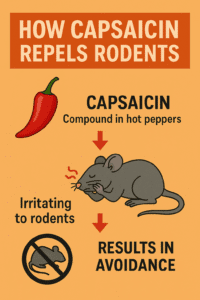
Rodents have powerful noses, much more sensitive than ours. When they pick up the strong scent of capsaicin, it overwhelms them. They avoid any area where the smell lingers.
If they come into contact with treated surfaces, they groom constantly, act uneasy, and move away. Over time, they learn where they’re not welcome.
DIY Hot Pepper Repellents You Can Make
Here’s a quick and easy recipe for a homemade spray.
- 2 tablespoons cayenne pepper or chili powder
- 1 teaspoon dish soap
- 1 liter water
Directions
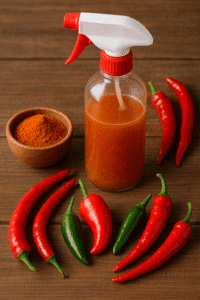
Boil the water and stir in the pepper. Let it cool, strain it, and mix in the soap. Pour it into a spray bottle and apply around entry points, trash bins, or baseboards. Reapply every few days, especially after rain.
You can also sprinkle crushed red pepper or cayenne powder in basements, attics, or around garden edges. Rodents hate crossing it.
A few safety notes. Wear gloves and a mask when mixing. Keep sprays away from kids and pets. Don’t spray directly on vegetables. Treat the soil or the space around them instead.
Best Hot Pepper Varieties for Rodent Control
Cayenne peppers are classic and strong enough for most jobs.
Ghost peppers and Carolina Reapers work best for severe infestations since they pack extra heat.
Jalapeños and serranos are gentler choices for smaller problems.
Where and How to Apply Hot Pepper Solutions
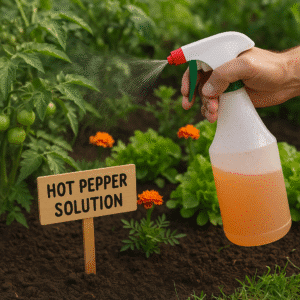
In gardens, spray or dust around plant borders so rodents don’t chew roots or leaves.
Around homes and garages, focus on cracks, vents, and doorways.
For bird feeders or compost areas, treat the ground and supports to keep rodents from raiding.
Residents in Holden and Sterling see great results when they apply pepper spray near garages and sheds before fall when rodents start seeking warmth.
Pros and Cons of Using Hot Peppers
Why it works so well
It’s natural and safe for the environment. It’s affordable, protecting a whole yard for only a few dollars. It’s humane, keeping rodents out instead of killing them. And it’s versatile, helping repel squirrels, rabbits, raccoons, and deer too.
You can adjust the mix or add essential oils like peppermint for extra strength.
What to keep in mind
You’ll need to reapply regularly, especially outdoors. Avoid getting it on your skin or in your eyes. Let it dry before pets return. If you’re dealing with a heavy infestation, use it alongside traps or professional pest control.
Combining Hot Peppers with Other Natural Repellents
Peppermint, clove, and eucalyptus oils blend nicely with capsaicin. Vinegar helps the scent last longer.
Try this mix.
- 1 cup hot pepper extract
- 1 cup white vinegar
- 10 drops peppermint oil
- 2 cups water
Spray near doors, storage areas, or gardens.
If rodents are stubborn, add ultrasonic devices. They drive pests away with high-frequency sounds while the pepper keeps them from returning.
Common Myths About Hot Pepper Repellents
Myth: Rodents get used to the smell.
No, they don’t. Capsaicin keeps irritating them, so they keep avoiding it.
Myth: Hot peppers kill rodents.
No. They cause discomfort but not harm.
Myth: Hot peppers are unsafe for pets.
Not toxic, but they can cause sneezing or irritation. Keep pets away until everything dries.
Expert Insights
A 2023 University of California study found that capsaicin-treated garden borders cut rodent activity by about seventy percent. Many homeowners in Sterling and Holden say they’ve seen fewer chew marks and droppings after using sprays for two weeks straight.
“Hot peppers are a safe, affordable way to deter pests,” says Dr. Emily Foster from the National Pest Management Association. “They work best when combined with sealing cracks and keeping areas clean.”
If you still find droppings or damage, reach out to PESTalytix for a free inspection. We can seal entry points, inspect hidden areas, and help you keep the problem under control naturally.
FAQs About Hot Peppers for Rodent Control
How often should I spray Every three to five days, or after rain. Indoors, once a week is fine.
Does it work on other pests Yes, it also deters squirrels, raccoons, and even some insects.
Can I use it on vegetables Avoid spraying the edible parts. Focus on the soil or borders.
Is it safe for kids and pets Yes, once dry. Keep them away during spraying.
Which peppers work best Cayenne and ghost peppers have the most heat and work the fastest.
Can I use store-bought hot sauce Only if it’s free of salt or vinegar, which can harm plants.
Conclusion
Using hot peppers for rodent control is one of the easiest ways to protect your home without chemicals. When you combine capsaicin-based repellents with sealing gaps and keeping things tidy, rodents don’t stand a chance.
For homeowners in Sterling, Holden, Princeton, and Clinton, this natural approach keeps your home peaceful and your garden safe.
When rodents show up, handle them the simple way, with a little heat and a lot of common sense.