Get Rid of Fleas in Your Home,
For Good.
We treat your home, your yard, and show you how to break the flea life cycle so they don’t come back.
If you’re in Worcester, Sterling, Shrewsbury, or nearby and you’re finding flea bites on your ankles, or your pets are scratching constantly, you’re dealing with more than what you can see. The fleas jumping on you and your pets are only about 5% of the problem. The other 95% are hiding in your carpets, furniture, and bedding.
That’s why killing the fleas on your pet isn’t enough. We treat the whole environment, inside and out, to break the life cycle and stop the infestation for good.
Quick request. We’ll confirm what’s going on and give you clear options.
You only notice fleas when they jump on you or your pet, but that’s just the tip of the iceberg. Flea eggs fall off your pet and land everywhere they go.
Here’s where the real infestation lives
Carpets & Area Rugs
Flea eggs, larvae, and pupae live deep in carpet fibers where vacuums often can’t reach. Larvae feed on organic debris and adult flea feces in the carpet. A single female flea can lay 40-50 eggs per day, and they’re falling into your carpet constantly.
Pet Beds, Couches & Furniture
Anywhere your pet sleeps or rests becomes a flea nursery. Pet beds, couch cushions, favorite chairs, and even your bed if pets sleep there, all harbor eggs and larvae. These areas need direct treatment, not just vacuuming.
Cracks, Baseboards & Floor Edges
Even homes with hardwood floors aren’t safe. Flea larvae crawl into cracks between floorboards, along baseboards, and under furniture edges. They avoid light and burrow into any dark crevice they can find.
The Flea Life Cycle and Why This Matters
Understanding the flea life cycle explains why one treatment often isn’t enough
Stage | Where it Lives | How Long? |
|---|---|---|
Egg | Carpet, bedding, cracks | 2-12 days |
Larva | Deep in carpet fibers, dark areas | 4-18 days |
Pupa (cocoon) | Protected in carpet, furniture | 7 days to 6 months |
Adult | On your pet (and jumping on you) | 2-3 months |
Quick Gut Check
What are you noticing right now?
If your dog or cat is scratching, biting at their fur, or seems restless, fleas are the most likely cause. This is especially true late summer through fall.
What this means: If you see fleas on your pet, your home is already infested. The fleas on your pet came from eggs that hatched in your carpet, furniture, or bedding.
Flea bites on humans usually appear around ankles, lower legs, and feet. That’s wherever you’re closest to the floor where fleas are jumping. Bites are small, red, itchy, and often appear in clusters or lines.
What this means: If fleas are biting you, the infestation is established. Fleas prefer pets, but when the population is high or pets aren’t available, they’ll bite humans.
This confuses a lot of people. How can you have fleas without pets?
Flea pupae can survive 6+ months in cocoons waiting for a host. When you move in, your body heat and movement trigger them to hatch.
Raccoons, squirrels, feral cats, or even rodents under your porch or in your attic can bring fleas onto your property. A friend’s dog visiting once is enough to seed an infestation. Fleas can hitch a ride on your clothes or shoes from infested locations.
Pick the approach that fits your home and budget.
Most flea problems require treating the home AND the pet at the same time. We handle the home and yard. You’ll need to treat your pet with vet-recommended products, or we can coordinate timing if you’re working with your vet.
Just in Inside
Full interior treatment targeting fleas at all life stages. We treat carpets, furniture, baseboards, cracks, and anywhere fleas hide.
Best For: Homeowners whose pets don’t spend much time outside, or when yard treatment isn’t needed.
Full property treatment inside and outside
Full interior treatment PLUS yard treatment to eliminate fleas wherever your pets go. This is the complete solution for households with pets that spend time outdoors.
Best For: Most homeowners with pets, especially if pets go in and out. Recommended if you’ve had fleas before or if neighbors have pets.
Heavy Flea Infestations Can Make Pets Sick
Fleas aren’t just annoying. They can cause real health problems:
- Flea allergy dermatitis
Some pets are allergic to flea saliva, causing severe itching, hair loss, and skin infections from just a few bites - Anemia
Heavy infestations in puppies, kittens, or small/elderly pets can cause dangerous blood loss - Tapeworms:
Pets that swallow fleas while grooming can get tapeworm infections
If your pet is lethargic, has pale gums, or is losing hair from scratching, see your vet. Flea treatment is urgent in these cases.
Testimonials
Real Central Mass SituationsSee what your neighbors are saying about us
FAQ
Quick answers to the most popular questions.Replace with your real policies, timelines, and warranty terms.
How much does flea treatment cost?
For Worcester County homes, professional flea treatment typically runs:
Interior only: 150−300 depending on home size
Interior plus yard: 250−450 depending on home and yard size
Follow-up treatment: Often included. If separate, 75−150
Most flea jobs require at least two treatments (initial plus follow-up 2-3 weeks later) to break the life cycle. We include follow-up in our standard packages.
Pet treatment is separate. You’ll need to coordinate with your vet for flea prevention products.
How do exterminators get rid of fleas?
Professional flea treatment works differently than flea bombs or sprays you buy at the store:
Inspection: We identify where fleas are breeding, including pet areas, carpets, furniture, and yard spots
Treatment: We apply professional-grade insecticide plus an insect growth regulator (IGR). The IGR prevents eggs and larvae from developing into adults.
Targeted application: We treat baseboards, cracks, under furniture, and other places bombs can’t reach
Follow-up: 2-3 weeks later, we treat again to kill fleas that were in the protected cocoon stage during the first treatment
The difference from DIY: Professional products have residual action that keeps working for weeks, and IGRs that break the breeding cycle. Bombs just kill what they contact in the moment.
How long does flea treatment last?
The treatment itself keeps working for several weeks. Here’s what to expect:
Days 1-3: You may still see some fleas. This is normal. Adults that weren’t directly contacted, plus newly hatched adults emerging from cocoons.
Days 4-14: Activity should decrease significantly as residual treatment kills emerging fleas.
Weeks 2-3: Follow-up treatment catches any remaining hatchlings.
Week 4 and beyond: Should be flea-free if pet treatment was also done.
Long-term prevention depends on keeping your pets on flea prevention and addressing any wildlife issues that could reintroduce fleas to your yard.
Is flea treatment safe for pets?
Yes, when done correctly. Here’s what we require:
During treatment: Pets and people need to be out of the house for 2-4 hours while treatment dries
After drying: Pets can return and walk on treated surfaces safely
Fish tanks: Need to be covered and air pumps turned off during treatment
Birds and reptiles: Should be removed from the home during treatment
We use products specifically designed for homes with pets. We’ll give you detailed preparation and re-entry instructions before treatment.
How do I prepare for flea treatment?
Good preparation makes treatment more effective. Here’s what we ask:
Before we arrive:
Vacuum all carpets, rugs, and furniture thoroughly, then empty the vacuum outside or seal the bag
Wash all pet bedding, throw rugs, and human bedding in hot water
Pick up toys, pet bowls, and items from floors
Clear items from under beds and furniture so we can treat there
Mow the lawn if we’re treating the yard
Day of treatment:
Remove all pets, people, and cover fish tanks
Plan to be out for 2-4 hours
Don’t vacuum for at least 2 weeks after treatment so the residual can work
We’ll send you a complete preparation checklist when you schedule.
Why do fleas keep coming back?
The most common reasons flea problems return:
No follow-up treatment: Pupae in cocoons survive the first treatment. They hatch 2-4 weeks later and restart the cycle.
Pet not treated: Your pet keeps bringing new fleas into the treated home.
Only pet treated: The 95% of fleas in your carpet, furniture, and bedding keep hatching and jumping on your pet.
Wildlife source: Raccoons, feral cats, or rodents keep bringing fleas to your property.
Neighbor’s pets: If your yard isn’t treated, neighborhood animals can reintroduce fleas.
Vacuuming too soon: Vacuuming right after treatment removes the residual product that’s supposed to keep killing emerging fleas.
How long do fleas live in carpet?
This is why fleas are so hard to get rid of on your own:
Eggs: 2-12 days in carpet before hatching
Larvae: 4-18 days living in carpet fibers, eating organic debris
Pupae in cocoons: 7 days to 6 months waiting for a host
Adults: 2-3 months once they emerge
That 6-month cocoon stage is the killer. Pupae can wait out treatments, vacations, even vacant apartments, then hatch when they sense vibration or body heat from a new host.
This is why vacant homes can suddenly have flea explosions when new occupants move in. The pupae were waiting.
Can fleas live in carpet without pets?
Yes. This is more common than people think:
Previous occupants had pets: Flea pupae can survive 6+ months in cocoons. When you move in, your warmth and movement trigger hatching.
Wildlife: Raccoons, squirrels, or feral cats near your home can seed your yard with fleas.
Visitors: A friend’s dog visiting once can leave behind eggs that hatch weeks later.
You brought them in: Fleas can hitch a ride on your clothes from other locations.
Without a pet host, adult fleas will bite humans. They can complete their life cycle on human blood, though they prefer pets.
Why didn’t the flea bombs I bought work?
Flea bombs have several problems:
They don’t penetrate: The fog settles on top of carpets but doesn’t reach into fibers, under furniture, or into cracks where larvae live.
No residual: Bombs kill on contact only. Fleas that emerge from cocoons an hour later are fine.
No growth regulator: Most bombs don’t contain IGR to prevent eggs from developing.
They spread the problem: The fog can actually push fleas into other rooms or deeper into hiding spots.
Cocoons are protected: Flea pupae in cocoons are nearly impossible to kill with any pesticide. They just have to hatch and be killed as adults.
Professional treatment uses residual products that keep working for weeks, IGRs that break the breeding cycle, and targeted application to places bombs can’t reach.
Local Resources
Explore your options or learn more about dealing with fleas in Worcester County.
Flea Guides
Get more info on controlling fleas and preparing for treatment.
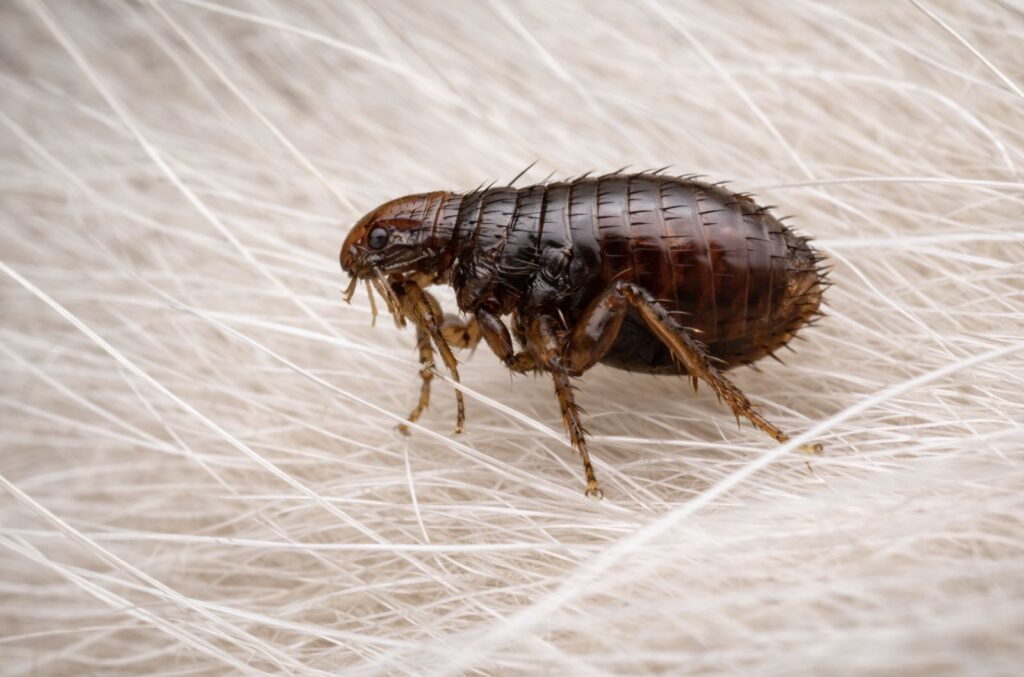
A Close Up Look At Fleas