

Can’t enjoy your deck or patio without getting bitten? You’re not alone-mosquito season runs April through October in Worcester County, with peak populations June through August. The common house mosquito (Culex pipiens) and Asian tiger mosquito (Aedes albopictus) breed in standing water and complete their life cycle in just 7-10 days. Beyond the nuisance, Massachusetts confirms West Nile Virus and Eastern Equine Encephalitis (EEE) cases every summer-both transmitted by mosquitoes.
Here’s what creates your problem: that forgotten bucket behind your shed or the clogged gutter you’ve been meaning to clean produces hundreds of new mosquitoes weekly. A single clogged gutter can breed 1,000+ mosquitoes per week. From Sterling’s West Waushacum Pond shoreline to Holden’s Salisbury Street wooded lots, Worcester County’s water features and summer humidity make mosquito pressure unavoidable. PESTalytix eliminates breeding sites and treats resting areas so you can use your yard again.
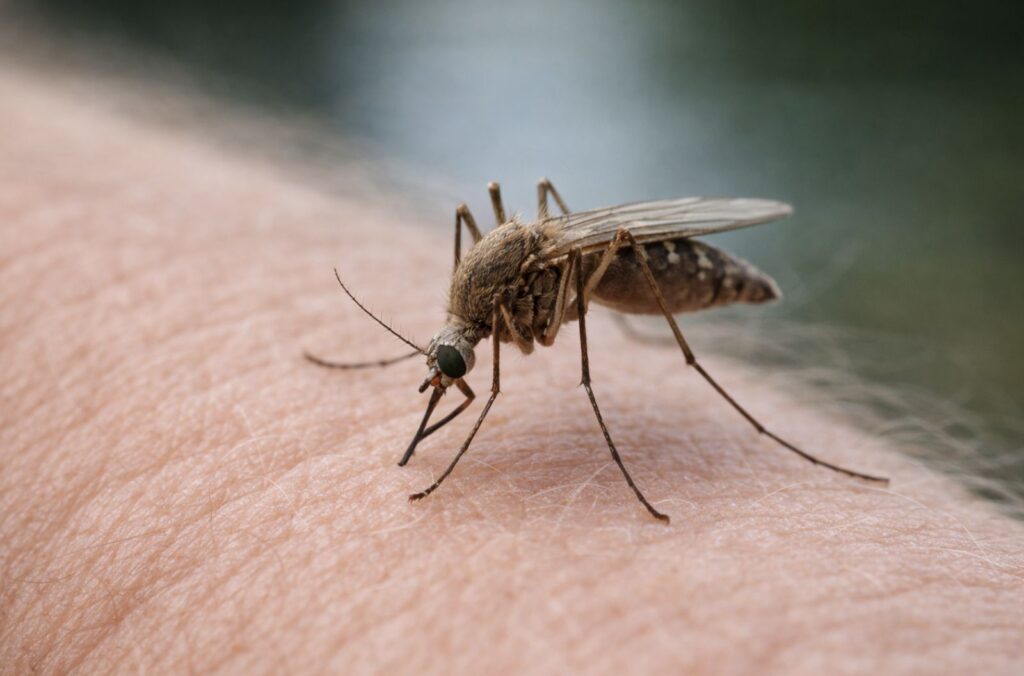
You hear the high-pitched whine near your ears at dusk. You see mosquitoes hovering around your deck when you try to grill. You wake up with itchy welts on your ankles. These experiences mean mosquitoes have found breeding habitat on or near your property.
Worcester County Mosquito Facts
| What You Need to Know | The Data |
|---|---|
| Primary species | House mosquito (Culex pipiens), Asian tiger mosquito (Aedes albopictus) |
| Active season | April–October (peaks June-August) |
| Breeding cycle | Egg to adult in 7-10 days |
| Disease risk | West Nile Virus, EEE confirmed in MA yearly |
| Flight range | Breed within 200 yards of where you’re bitten |
| Peak activity | Dusk and dawn (5-9 AM, 6-10 PM) |
| Protection duration | Professional treatment: 3-4 weeks per application |
Understanding mosquito biology changes your approach. Only females bite-they need blood to produce eggs. Eliminating where they breed is more effective than chasing adults.
How Do I Know If I Have a Mosquito Problem?
Mosquitoes announce themselves. The signs are obvious, but finding the source requires knowing where to look.
You’ll Experience:
- High-pitched buzzing near your ears, especially at dusk and dawn
- Bites concentrated on ankles, feet, and exposed skin
- Inability to use outdoor spaces in evening hours
- Mosquitoes following you from yard to door
Peak Activity Times:
- Early morning (5-9 AM) and evening (6-10 PM)
- Activity decreases below 60°F
- Season runs April through October in Massachusetts
- Peak populations June through August
Species to Know:
| Mosquito Type | When Active | Bite Pattern | Notes |
|---|---|---|---|
| Native species (various) | Dusk and dawn | Evening outdoor activities | Most common in Worcester County |
| Asian tiger mosquito (Aedes albopictus) | Daylight hours | Aggressive daytime biter | Black with white stripes, expanding range |
Severity Assessment: When to Act
| What You’re Experiencing | What It Means | Source Likely | Action Needed |
|---|---|---|---|
| Occasional mosquito indoors | Random entry through doors | Nearby, not on property | Screen doors, monitor |
| Evening patio unusable | Breeding within 200 yards | On or near property | Locate standing water |
| Mosquitoes all day | Asian tiger mosquitoes present | On property | Schedule inspection |
| Swarms near specific area | Breeding site nearby | On property | Call today |
Where Are Mosquitoes Breeding on My Property?
Mosquitoes need standing water to reproduce. They don’t need much. A bottle cap holding water for 7 days can produce mosquitoes. Finding and eliminating breeding sites is the most effective control method.
Common Breeding Sites (Check These First):
Containers and Objects:
- Clogged gutters (the #1 residential breeding site)
- Plant saucers and pot trays
- Bird baths with unchanged water
- Buckets, watering cans, wheelbarrows
- Tarps that collect water
- Tire swings and old tires
- Children’s toys left outside
- Pet water bowls (change daily)
Landscape Features:
- Downspout extensions that pool
- Low spots that hold water after rain
- Tree holes and stumps
- French drain outlets
- Corrugated drain pipes
Structures:
- Boat covers
- Grill covers that pool water
- AC drip pans
- Basement window wells
- Unmaintained pools or hot tubs
Breeding Site Risk Assessment
| Location | Check Frequency | Why It Matters |
|---|---|---|
| Gutters | Monthly during season | Top residential breeding site |
| Plant saucers | Weekly | Small but productive |
| Bird baths | Every 2-3 days | Change water or add agitator |
| Hidden containers | After every rain | Easy to forget |
| Neighbor’s property | Visual inspection | Mosquitoes don’t respect property lines |
Why Does Worcester County Have Mosquito Problems?
Worcester County’s geography and climate create persistent mosquito pressure. Understanding local factors helps you assess your property.
Water Features Multiply Mosquitoes:
Properties near Wachusett Reservoir, Lake Quinsigamond, Waushacum Ponds, and the Nashua River system face elevated pressure. Vegetated shorelines and calm water margins support mosquito breeding. Even properties a quarter-mile from water see spillover populations.
Wetlands and Floodplains:
Lancaster, Clinton, and West Boylston lowlands have high water tables and seasonal flooding. Beaver wetlands and swamps in Bolton, Rutland, and Princeton produce mosquitoes throughout the summer.
Residential Water Collection:
Dense housing with gutters, downspouts, and landscape features creates countless small breeding sites. A single neighborhood with neglected gutters produces more mosquitoes than a natural wetland.
Environmental Pressure Factors
| Factor | Why It Amplifies Mosquito Pressure | High-Risk Areas |
|---|---|---|
| Lakefront properties | Shoreline breeding, humidity | Sterling’s Legate Hill Road near West Waushacum, West Boylston’s Oakdale along Quinapoxet |
| Wetlands and swamps | Natural breeding habitat | Bolton’s Main Street lowlands, Lancaster’s Lunenburg Road, Rutland’s Muschopauge Road |
| Clogged gutters (residential) | Thousands of small breeding sites | Holden’s Briarcliff Lane area, Shrewsbury’s Lake Street corridor |
| Wooded lots with shade | Mosquitoes rest in shaded vegetation | Princeton’s Mountain Road, Paxton’s Richards Avenue |
| Poor drainage | Pooling water after rain | Clinton’s Church Street area, Hudson’s lower Main Street |
Mosquito Pressure by Housing Era
| Housing Era | Why Mosquitoes Thrive | High-Risk Features |
|---|---|---|
| Pre-1950 homes | Original landscaping with mature shrubs, stone-lined drainage | Overgrown foundation plantings on Sterling’s Meetinghouse Hill Road, damp basements with window wells |
| 1950-1980 colonials | Large lots with wooded edges, in-ground pools | Neglected pool covers in Holden’s Manning Street area, extensive shade gardens |
| 1990s+ developments | Detention ponds required, conservation wetlands nearby | Properties backing to retention basins in Shrewsbury’s Centech Park area, stormwater features |
Why Doesn’t DIY Mosquito Control Work?
Most homeowners try citronella candles and bug zappers before calling a professional. Here’s why these approaches don’t work.
Citronella and Repellents Mask, Not Eliminate:
Citronella candles provide limited protection within a small radius. They don’t reduce mosquito populations. You’re hiding from mosquitoes, not eliminating them.
Bug Zappers Kill the Wrong Insects:
Studies show bug zappers kill primarily beneficial insects like moths and beetles. Mosquitoes aren’t strongly attracted to UV light. They find you by detecting CO2 and body heat.
Consumer Sprays Provide Temporary Relief:
Store-bought yard sprays kill adult mosquitoes on contact. New adults emerge from breeding sites within days. Without source elimination, you’re on a weekly treadmill.
DIY Cost Reality
| Attempt | What You Buy | Cost | Time Spent | Result |
|---|---|---|---|---|
| #1: Citronella and candles | Candles, torches | $30-60 | 1-2 hours setup | Masks presence in small area only |
| #2: Bug zapper | Electronic zapper | $40-100 | 2 hours setup | Kills beneficial insects, not mosquitoes |
| #3: Yard spray | Hose-end sprayer | $25-50 | 3-4 hours | Temporary relief, new mosquitoes in days |
| #4: Breeding site hunt | Your time | $0 | 4-6 hours | Helps, but misses hidden sites |
| Total Before Calling Pro | – | $95-210 | 10-14 hours | Still can’t use patio at dusk |
What Happens During Professional Mosquito Control?
We address both breeding sites and adult mosquitoes. Our approach makes your yard usable again.
| Phase | Duration | What Happens | You Receive |
|---|---|---|---|
| 1. Property Inspection | Day 1 (45-60 min) | Identify all standing water sources, map resting areas, assess neighbor pressure | Written report with breeding sites identified |
| 2. Source Elimination | Day 1 | Remove or treat standing water sources you can’t eliminate | Recommendations for landscape changes |
| 3. Treatment Plan | Day 1-2 | Develop treatment strategy for adult resting areas | Written plan with treatment schedule |
| 4. Customer Approval | Flexible | Review plan, you approve treatment scope | Clear understanding of coverage |
| 5. Barrier Treatment | Scheduled | Treat vegetation, shaded areas, and structure perimeters where adults rest | Re-entry timeline, service documentation |
| 6. Seasonal Maintenance | Every 3-4 weeks | Re-treat during active season (May-September) | Ongoing protection, activity monitoring |
Our Approach: Source Reduction + Barrier Treatment
Effective mosquito control requires two steps:
1. Breeding Site Elimination:
- Identify and eliminate standing water
- Treat water features that can’t be drained (ponds, rain barrels)
- Recommend drainage improvements
2. Adult Resting Area Treatment:
- Mosquitoes rest in shaded vegetation during the day
- We treat shrubs, ground cover, and structure perimeters
- Adults contact treatment when resting, reducing biting pressure
For properties near Wachusett Reservoir or with private wells, we use approved materials that meet all water protection requirements.
Ready to use your patio again?
Schedule your free inspection and get a breeding site assessment.
What Affects Your Mosquito Control Cost in Worcester County?
Several factors influence mosquito treatment pricing. Understanding these helps you evaluate options.
| Property Type | Cost Factors | Why It Matters |
|---|---|---|
| Large lot with extensive vegetation | More resting area to treat | Extended application required |
| Lakefront or wetland-adjacent | Higher pressure, more frequent treatment | Ongoing maintenance important |
| Property with drainage issues | Recurring standing water | May need landscape modifications |
| Standard suburban lot | Defined treatment zones | Typically straightforward |
What’s included:
- Complete breeding site inspection
- Standing water elimination or treatment
- Barrier treatment of resting areas
- Seasonal re-treatment during active months
Learn more about our seasonal protection programs: Tick and Mosquito Control Services
What Makes Worcester County Properties Different?
Family and Pet Safety
Protecting your family during treatment:
Treatment Safety:
- Applications dry within 2-4 hours
- Re-entry timeline provided for each treatment
- Pet-friendly options available
- Treatments applied when pollinators are less active
Children’s Play Areas:
We schedule treatments to minimize impact on family activities. Most applications allow re-entry the same day after drying. Properties dealing with ticks often bundle mosquito treatment for comprehensive outdoor pest protection.
Regulatory Compliance
Depending on your property location, different requirements may apply:
| Regulation | When It Applies | What It Means for Treatment |
|---|---|---|
| DCR Watershed Protection | Properties near Wachusett Reservoir | DCR-approved materials only, buffer distances observed |
| MA Wetlands Protection Act | Within 100 feet of wetlands, ponds, streams | Reduced-risk materials, strict application protocols |
| Private Well Setbacks | Properties with wells | Buffer distance from wellhead, well-water safe products only |
| Lakefront Buffers | Properties on Lake Quinsigamond, Waushacum Ponds | 100-foot buffers from water bodies, no contamination risk |
Realistic Expectations for Waterfront Properties
Properties near natural wetlands, beaver ponds, or lake shorelines receive mosquitoes from sources you can’t control. Barrier treatment significantly reduces biting but can’t eliminate all mosquitoes when natural breeding habitat exists within 200 yards. We provide documentation for your records with every treatment.
Frequently Asked Questions
How do I get rid of mosquitoes in my yard?
Eliminate standing water first. Check gutters, plant saucers, and containers after rain. Professional barrier treatment then targets adult resting areas. Both steps together provide effective control.
Why do I have so many mosquitoes in my yard?
Mosquitoes breed in standing water within 200 yards of where you find them. The source may be on your property or a neighbor’s. Clogged gutters are the most common residential breeding site.
How often should I spray for mosquitoes?
Professional barrier treatment lasts 3-4 weeks during peak season. Monthly applications from May through September provide continuous protection. After heavy rain, treatment may need refreshing sooner.
Is mosquito treatment safe for pets?
Yes. We use pet-friendly options and provide re-entry timelines. Most treatments dry within 2-4 hours. Pets can return to treated areas after complete drying.
What is the best mosquito repellent for yards?
DIY repellents provide temporary personal protection, not yard-wide control. Professional barrier treatment reduces mosquito populations on your property. Repellents supplement professional treatment but don’t replace it.
When is mosquito season in Massachusetts?
Mosquito activity runs April through October in Massachusetts. Peak populations occur June through August. Activity decreases below 60°F. Breeding slows but continues through warm fall days.
Ready to Enjoy Your Yard Again?
Mosquitoes shouldn’t dictate when you can use your outdoor space. Every week you wait is another week of bites and missed evenings outside.
What happens during your free inspection:
- Complete property walk-through for breeding sites
- Standing water identification and documentation
- Vegetation assessment for resting areas
- Treatment options with clear pricing
- No obligation to proceed
Schedule your free inspection today and find out why mosquitoes chose your yard.